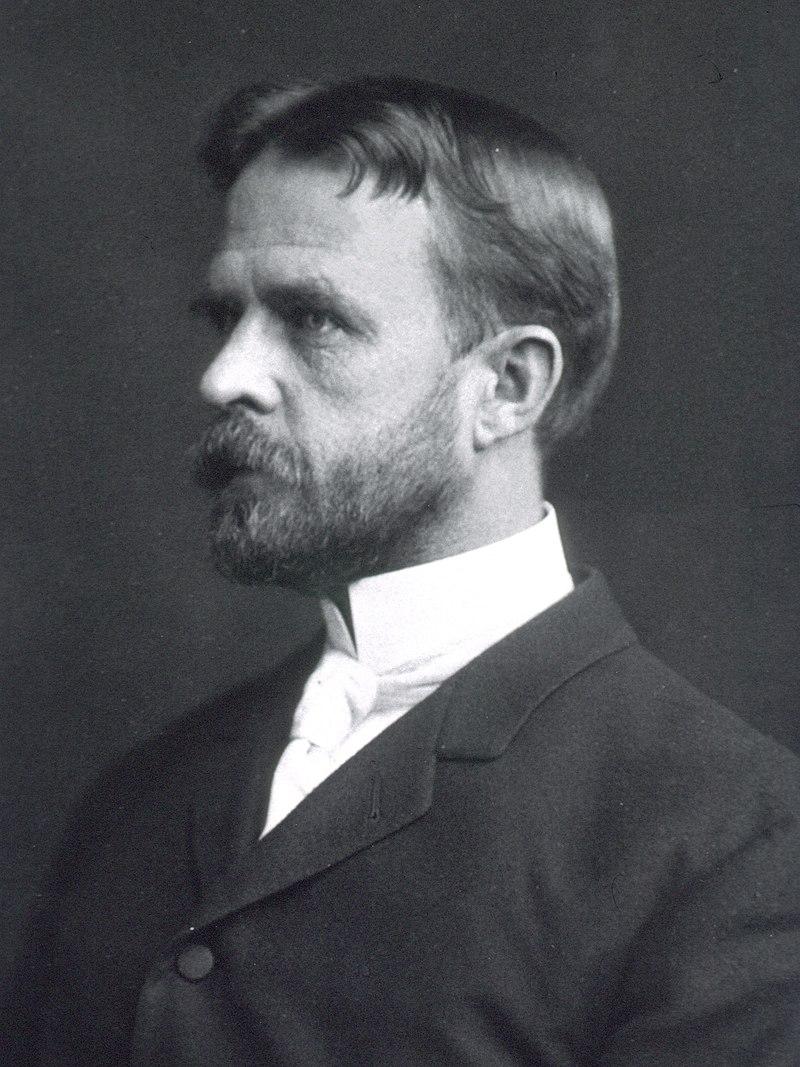
Thomas Hunt Morgan: Pioneer of Chromosomal Theory in Genetics
Sweden
Science
Genetics
4 min read
Updated By: History Editorial Network (HEN)
Published:
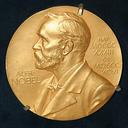
Thomas Hunt Morgan, an American geneticist, was recognized for his groundbreaking work on the role of chromosomes in heredity. He was awarded the Nobel Prize in Physiology or Medicine for his pioneering research that established the chromosomal theory of inheritance.
Morgan's work laid the foundation for modern genetics. His experiments using the fruit fly Drosophila melanogaster provided clear evidence that genes are located on chromosomes. He and his team discovered that certain traits are linked and are often inherited together because they are located on the same chromosome. These findings challenged and expanded the then-prevalent Mendelian understanding of genetics.
Key discoveries emerged from Morgan's lab, including the concept of genetic linkage, recombination, and the mapping of genes to specific locations on chromosomes. One of his significant contributions was the demonstration of sex-linked inheritance, showing how certain traits are associated with sex chromosomes, most notably the X chromosome.
Morgan's research had a profound impact on the field of biology and medicine. It moved the scientific community towards accepting the idea that chromosomes play a crucial role in heredity. It also paved the way for further studies on genetic inheritance, mutation, and evolution. Morgan's discoveries have had lasting implications for genetic research, biotechnology, and medical science.
The rigorous methodologies and innovative approaches developed by Morgan and his colleagues continue to influence genetic studies. His work not only resolved many ambiguities in earlier genetic theories but also inspired future generations of geneticists to explore gene function and structure at deeper levels.
#NobelPrize #Genetics #Heredity #ChromosomeResearch #ScientificDiscovery #GeneticInheritance #MorganLab #FruitFlyResearch #MoofLife
Primary Reference
Thomas H. Morgan – Facts - NobelPrize.org
Explore the Life Moments of
 AI Twin