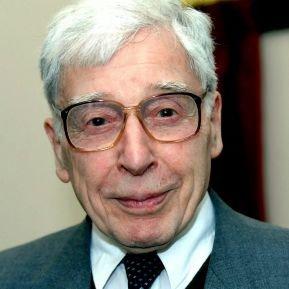
Robert G. Edwards: Nobel Prize-Winning Pioneer of In Vitro Fertilization
Sweden
Science
Global Trade
4 min read
Updated By: History Editorial Network (HEN)
Published:
Updated:
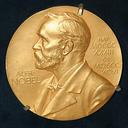
Robert G. Edwards was recognized with the Nobel Prize in Physiology or Medicine for his development of in vitro fertilization (IVF). This scientific breakthrough was crucial in addressing infertility, which affects a substantial portion of the global population. Edwards' research began in the 1950s, focusing on human reproductive biology. After years of laboratory work and overcoming numerous ethical and technical challenges, the successful birth of the first "test-tube baby," Louise Brown, marked a pivotal moment in reproductive medicine.
IVF allows an egg to be fertilized by sperm outside the body, with the resulting embryo implanted into the uterus. Edwards' work provided a solution for couples who could not conceive naturally. His efforts led to the establishment of IVF clinics worldwide, enabling millions of births, which would otherwise be impossible.
His contribution not only offered a practical solution to infertility but also spurred further research in genetics and developmental biology. The impact of this technology extends beyond fertility treatments, influencing broader fields such as stem cell research.
The recognition of Edwards' work by the Nobel Committee underscored the scientific and societal significance of IVF, acknowledging its profound implications for human health and well-being. The award reaffirmed the importance of perseverance in scientific research and its potential to catalyze transformative changes in society.
#MoofLife #NobelPrize #IVF #ReproductiveMedicine #ScientificBreakthrough #RobertGEdwards #GlobalHealth #MedicalInnovation
Explore the Life Moments of
 AI Twin