
Research by Bishop and Varmus revolutionized cancer biology by discovering cellular origin of oncogenes.
Sweden
Science
Medical
4 min read
Updated By: History Editorial Network (HEN)
Published:
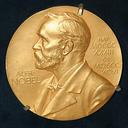
J. Michael Bishop and Harold E. Varmus were awarded for their discovery of the cellular origin of retroviral oncogenes. Their research revolutionized the understanding of cancer biology. By demonstrating that normal cellular genes, when mutated or improperly activated, can cause cancer, they shifted the scientific perspective on the origin of cancerous cells. Before their work, oncogenes were primarily thought to come from external sources like viruses.
The groundbreaking findings were rooted in the study of retroviruses, which integrate their genetic material into host cells. Bishop and Varmus showed that the oncogenes found in retroviruses were actually derived from normal cellular genes. These genes, when altered, could instruct cells to grow uncontrollably, leading to tumor formation. This discovery illustrated that cancer could be caused by internal cellular changes, not just external influences.
Their research paved the way for further studies on the genetic mechanisms underlying cancer, leading to new diagnostic and therapeutic approaches. With the ability to identify specific oncogenes involved in different types of cancer, scientists could develop targeted treatments and better understand the genetic predispositions to cancer.
This recognition underscores the importance of studying cellular mechanisms to uncover the molecular basis of diseases. Their contributions significantly advanced cancer research and opened new avenues for medical interventions, benefiting countless patients.
#CancerResearch #NobelPrize #RetroviralOncogenes #CellBiology #MedicalBreakthrough #MoofLife
Primary Reference
Harold E. Varmus - Wikipedia
Explore the Life Moments of
 AI Twin