
Protein Phosphorylation: Pioneering Work in Biological Regulation by Fischer and Krebs
Sweden
Science
Biochemistry
4 min read
Updated By: History Editorial Network (HEN)
Published:
Edmond H. Fischer and Edwin G. Krebs received recognition for their pioneering work on reversible protein phosphorylation as a regulatory mechanism in biological systems. Fischer, an American biochemist of Swiss origin, and Krebs, an American biochemist, conducted research that demonstrated how the phosphorylation and dephosphorylation of proteins act as a switch to regulate various cellular processes. This discovery elucidated a fundamental mechanism by which cells control a multitude of functions, including metabolism, cell division, and signal transduction.
Their findings had broad implications, providing insights into the way cells respond to external stimuli and maintain homeostasis. The research offered vital understanding into the complexities of cellular functions and laid the groundwork for subsequent studies into cell signaling pathways. This mechanism has applications in developing treatments for diseases such as cancer, diabetes, and cardiovascular disorders, where dysregulation in phosphorylation processes is often observed.
The significance of Fischer and Krebs' work is underscored by the vast number of studies it spurred. The concept of reversible phosphorylation has become a cornerstone of modern biochemistry and molecular biology, influencing countless research projects and publications.
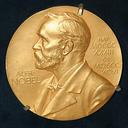
Their contributions to the field were acknowledged through the Nobel Prize in Physiology or Medicine, highlighting the impact and importance of their discoveries within the scientific community. This recognition not only celebrated their achievement but also underscored the vital role of fundamental research in advancing medical science.
#NobelPrize #Biochemistry #CellSignaling #MedicalResearch #MoofLife
Primary Reference
The Nobel Prize in Physiology or Medicine 1992 - Illustrated ...
Explore the Life Moments of
 AI Twin