Pioneering Research on DNA: The Double-Helix Structure and Genetic Information Transmission.
Sweden
Science
Biology
4 min read
Updated By: History Editorial Network (HEN)
Published:
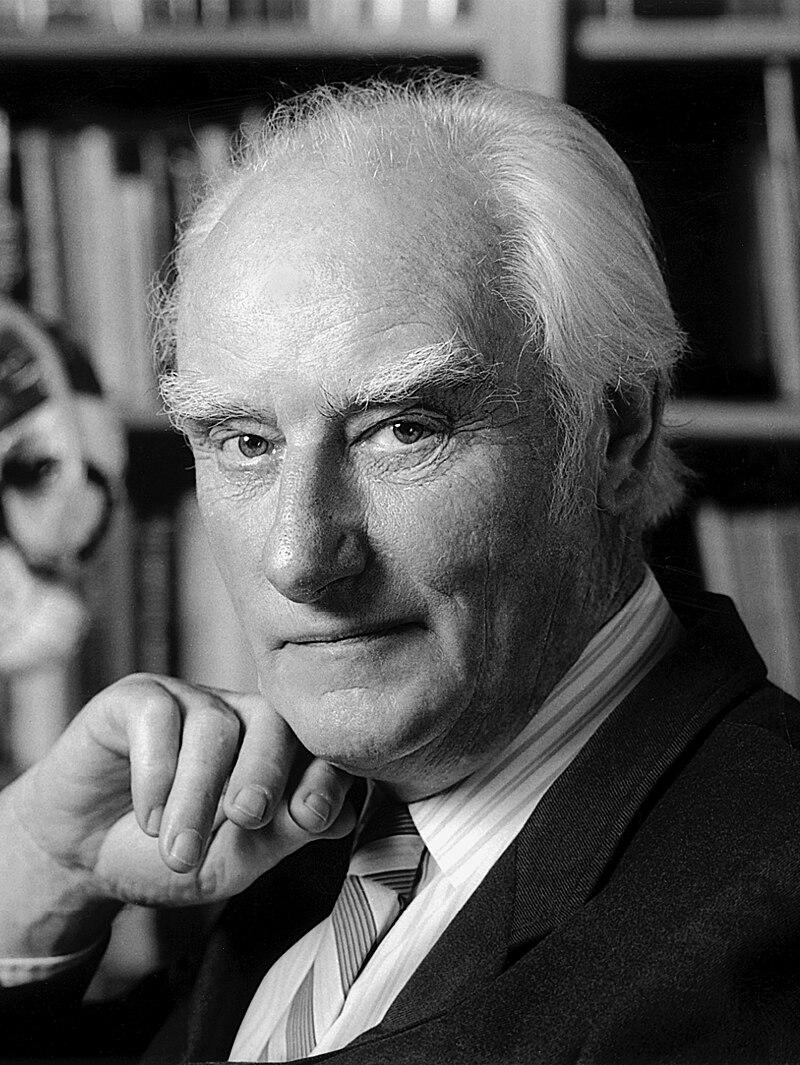
Francis Crick, James Watson, and Maurice Wilkins achieved recognition for their pioneering work on nucleic acids, specifically their role in the transmission of genetic information. Their research identified the double-helix structure of DNA, which became foundational to molecular biology. The understanding of DNA's structure clarified how genetic information is stored, replicated, and passed from one generation to the next.
The discovery, facilitated by X-ray diffraction images produced by Rosalind Franklin and Wilkins, combined Franklin's data with Watson and Crick's model-building approach. This collaborative effort resulted in the identification of the double-helix structure in 1953, leading to profound insights into the molecular mechanisms of genetics.
The impact of their work extended far beyond initial academic acclaim: it laid the groundwork for modern genetics, biotechnology, and medicine. Their discoveries have influenced a wide array of fields such as genetic engineering, forensic science, and bioinformatics. The advancement of these areas has led to innovations including the Human Genome Project, gene therapy, and recombinant DNA technology.
Crick, Watson, and Wilkins' work is cited in a vast number of scientific publications and remains a cornerstone of biological research. The double-helix model became an icon of modern science and is frequently depicted in educational and research contexts. Their findings unlocked numerous doors in understanding the complexity of life at a molecular level.
#MoofLife #Genetics #MolecularBiology #NobelPrize #DNA
Primary Reference
The Nobel Prize in Physiology or Medicine 1962 - Perspectives ...
Explore the Life Moments of
 AI Twin