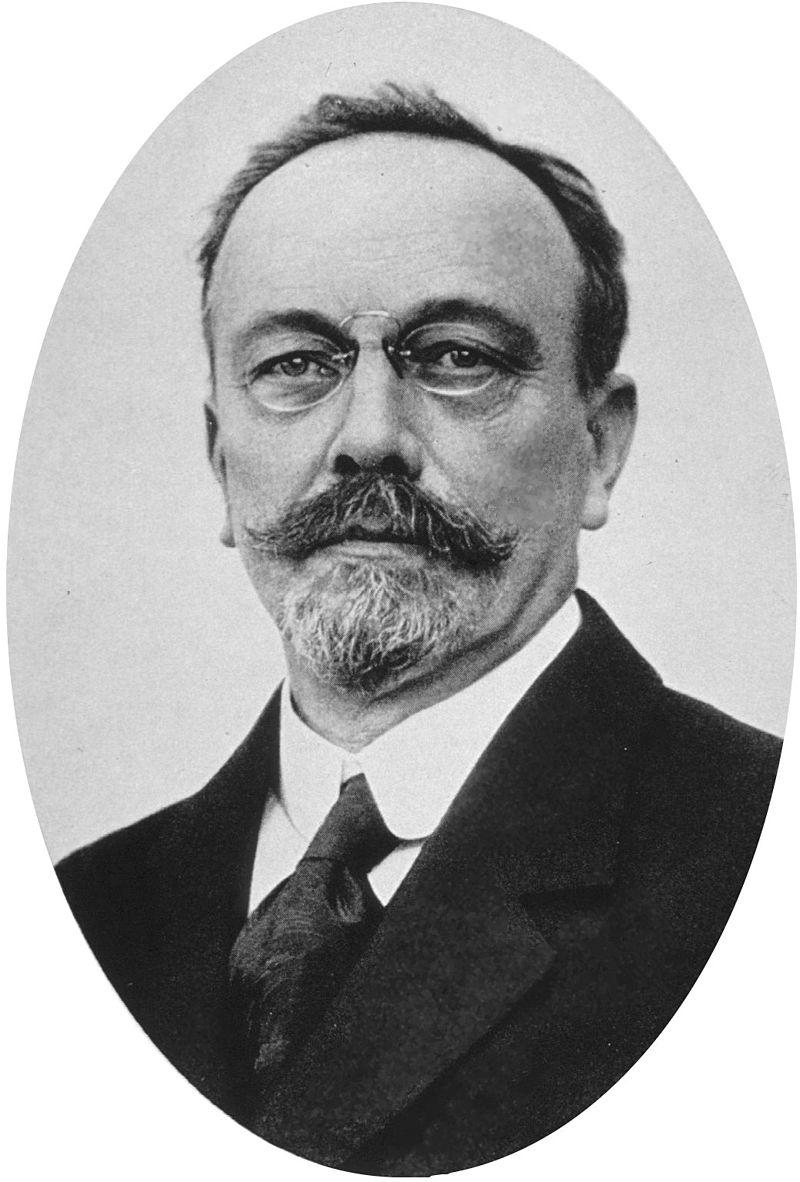
Pioneering Nobel Prize-winning discovery: Spiroptera carcinoma, a groundbreaking link to cancer.
Sweden
Science
Medical Research
4 min read
Updated By: History Editorial Network (HEN)
Published:
Johannes Fibiger, a Danish scientist and pathologist, was recognized for his groundbreaking work in medical research when he was awarded the Nobel Prize in Physiology or Medicine for his discovery of Spiroptera carcinoma. This momentous achievement acknowledged his significant contribution to the field of cancer research. Fibiger's research had shown that a specific roundworm, Spiroptera (now known as Gongylonema), could induce cancer in rats. This was a notable breakthrough as it was the first time a microorganism was linked to cancer in animals, suggesting that cancer could be caused by infectious agents.
The acknowledgment of Fibiger's work represented a crucial development towards understanding the causative agents of cancer beyond the previously recognized genetic and chemical factors. This opened up new directions for researchers to explore virological and parasitological links to cancer in humans, even though later research would bring more nuances and corrections to his findings.
Johannes Fibiger's work spurred others to investigate the possibilities of cancer being caused by infectious sources and paved the way for future discoveries in the cancer research field. This was a pioneering step that inspired many scientists to explore the connections between microorganisms and cancer, significantly propelling advancements in medical science and aiding in the development of new cancer treatments and preventative measures.
The awarding of the Nobel Prize to Fibiger highlighted the importance of persistent investigation and opened up further funding and support for research in the pathology and oncology fields. Although later research adjusted some of Fibiger's initial conclusions, his contribution remains a foundational moment in medical history, celebrating the relentless effort to understand and combat one of the most challenging diseases affecting humanity.
#CancerResearch #NobelPrize #MedicalScience #MoofLife
Primary Reference
Physiology or Medicine 1926 - Presentation Speech - NobelPrize.org
Explore the Life Moments of
 AI Twin