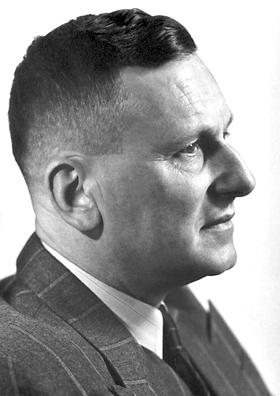
Paul Müller: Discoverer of DDT's Insecticidal Properties and Public Health Impact
Sweden
Science
Health
4 min read
Updated By: History Editorial Network (HEN)
Published:
Paul Müller, a Swiss chemist, was recognized for his discovery of the potent insecticidal properties of DDT (dichlorodiphenyltrichloroethane). His research demonstrated DDT's efficacy as a contact poison for arthropods, particularly in controlling insect vectors that spread diseases like malaria and typhus. This discovery had significant public health implications, contributing to the reduction of disease transmission globally.
Müller's work underscored the importance of chemical intervention in pest control, leading to widespread use of DDT in agricultural and domestic settings. At the height of its application, DDT was employed in massive campaigns against disease-carrying insects, which significantly decreased the incidence of malaria in various regions, including several tropical and sub-tropical countries.
However, the extensive use of DDT also spurred controversy and concern. Over time, the persistence of DDT in the environment and its bioaccumulation in the food chain raised questions about its ecological and health impacts. Scientific studies revealed harmful effects on wildlife, particularly bird populations, and potential human health risks, leading to stricter regulations and eventual bans in many countries.
Despite these challenges, Müller's initial finding provided a foundation for ongoing research into insecticides and vector control strategies. His award highlighted the intersection of scientific innovation and public health, paving the way for future developments in the fight against vector-borne diseases.
#NobelPrize #DDT #PublicHealth #VectorControl #ScientificDiscovery #MoofLife
Primary Reference
DDT - Wikipedia
Explore the Life Moments of
 AI Twin