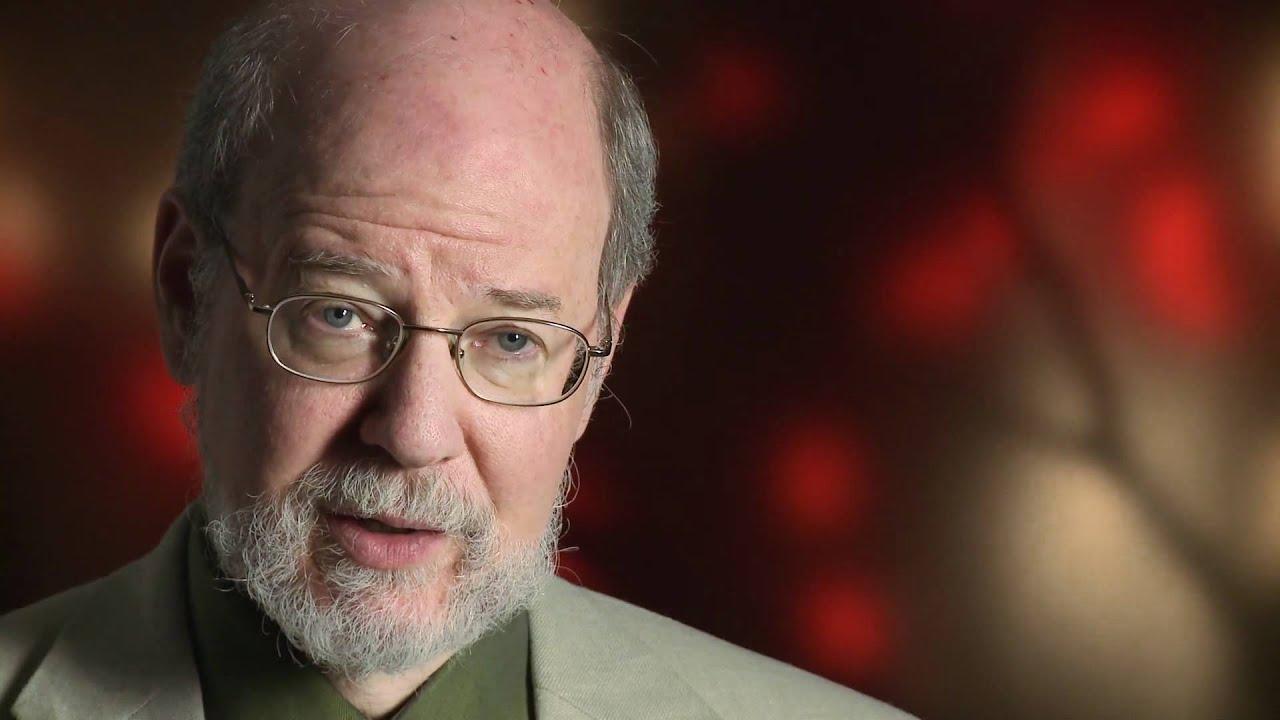
Nobel Prize winners unlock secrets of genetic regulation in organ development and cell death.
Sweden
Science
Medical
5 min read
Updated By: History Editorial Network (HEN)
Published:
Sydney Brenner, H. Robert Horvitz, and John E. Sulston were honored with the Nobel Prize in Physiology or Medicine for their groundbreaking discoveries concerning the genetic regulation of organ development and programmed cell death. Their research primarily used the nematode Caenorhabditis elegans (C. elegans), a model organism that offered insights into cellular processes applicable to more complex organisms, including humans.
Sydney Brenner established C. elegans as a model organism, enabling detailed genetic studies. His work laid the foundation for understanding mutations’ effects on organ development and cellular functions. John E. Sulston mapped a complete cell lineage for C. elegans, demonstrating how cells divide, differentiate, and undergo programmed cell death, and identified the first mutations affecting this process. H. Robert Horvitz elucidated genes directly controlling programmed cell death, identifying key genetic pathways and demonstrating their conservation in humans. These findings greatly enhanced the scientific understanding of how developmental processes and cellular homeostasis are genetically regulated.
Their collective work holds significant implications in medical science, particularly in understanding and treating diseases like cancer, which often involve disruptions in normal cellular processes such as programmed cell death. Before their findings, the genetic and molecular mechanisms underlying these essential biological processes remained poorly understood. Their research has led to new therapeutic strategies and drug development aimed at correcting or leveraging these pathways.
The awarded research has contributed significantly to the field of molecular biology and genetics, increasing the knowledge base related to how organisms develop and maintain cellular integrity. The methodologies they used and discoveries they made continue to influence ongoing research and applications in biomedical sciences.
#NobelPrize #GeneticResearch #CellBiology #BiomedicalScience #ModelOrganisms #C_elegans #ProgrammedCellDeath #OrganDevelopment #MoofLife
Explore the Life Moments of
 AI Twin