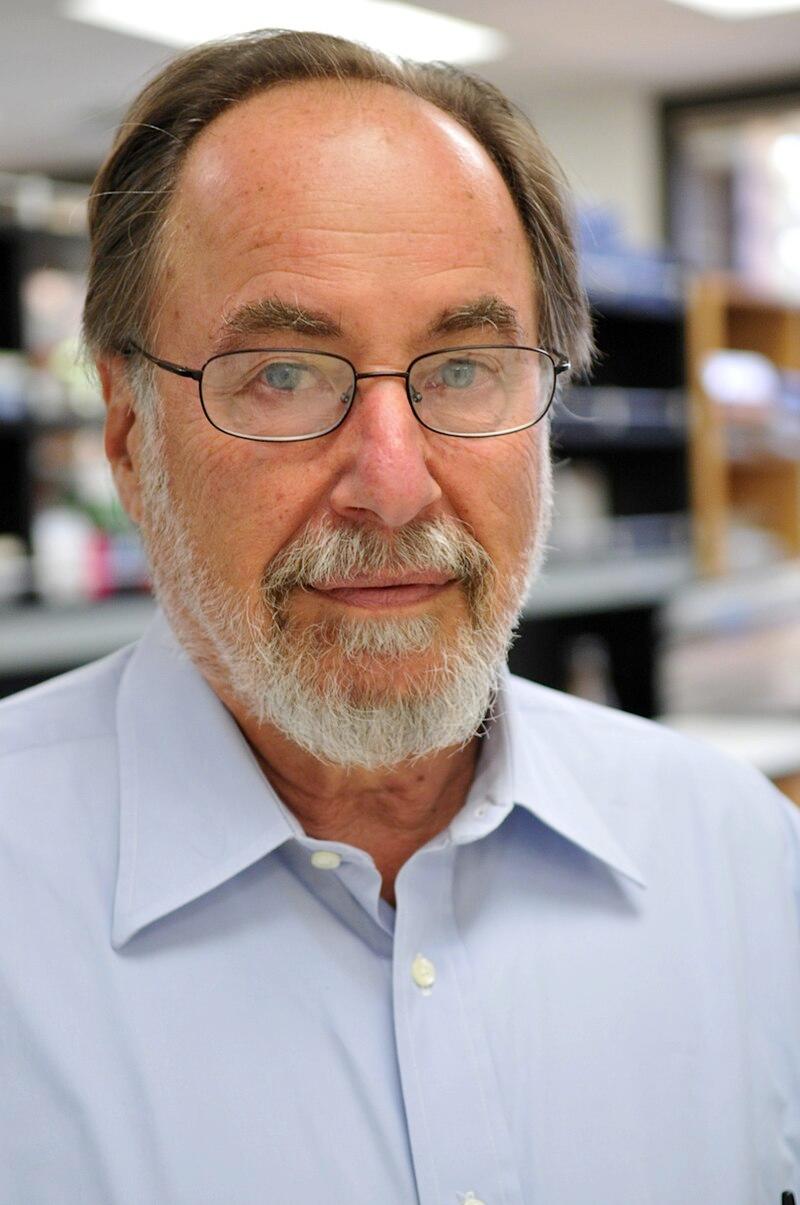
Nobel Prize Winners Revolutionize Understanding of Tumor Viruses and Genetic Material
Sweden
Science
Health
4 min read
Updated By: History Editorial Network (HEN)
Published:
In a notable recognition by the Nobel Prize in Physiology or Medicine, David Baltimore, Renato Dulbecco, and Howard M. Temin received the award for their groundbreaking discoveries on the interaction between tumor viruses and cellular genetic material. Their research laid the foundation for understanding how viruses can lead to cancers by integrating their genetic material into the host cells' DNA. This discovery not only advanced the field of virology but also revolutionized the broader understanding of genetic regulation and mutation.
David Baltimore's work on reverse transcriptase in the replication of RNA viruses provided crucial insights into the replication mechanisms of retroviruses. Renato Dulbecco's research elucidated how viruses can induce cellular transformation, becoming cancerous by altering cellular genetic material. Howard M. Temin's work complemented these findings by exploring the role of reverse transcription in the tumor formation process, validating the hypothesis of how RNA tumor viruses could evoke genetic changes.
Collectively, their contributions offered a paradigm shift in molecular biology and oncology, influencing subsequent research into genetic engineering and cancer therapies. The understanding of reverse transcription led to significant advancements in antiviral treatments and the development of new therapeutic strategies for cancer, emphasizing the real-world impact of their discoveries.
#NobelPrize #CancerResearch #Virology #MolecularBiology #Genetics #MoofLife
Primary Reference
Howard M. Temin – Facts - NobelPrize.org
Explore the Life Moments of
 AI Twin