Nobel Prize Winners Revolutionize Genetic Code: Advancements in Protein Synthesis and Genetics
Sweden
Science
Technology
4 min read
Updated By: History Editorial Network (HEN)
Published:
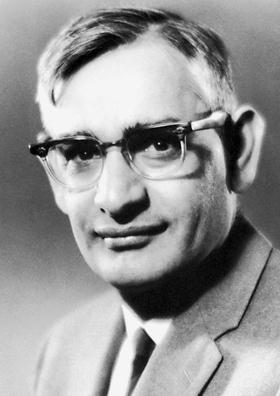
Robert W. Holley, H. Gobind Khorana, and Marshall W. Nirenberg received the Nobel Prize in Physiology or Medicine for their work in interpreting the genetic code and its role in protein synthesis. Robert W. Holley’s research involved the sequencing of alanine transfer RNA, providing the first understanding of how messenger RNA is translated into an amino acid sequence. H. Gobind Khorana's work demonstrated the construction of synthetic RNA, revealing how nucleotide sequences determined specific amino acids. Marshall W. Nirenberg pioneered experiments using synthetic RNA in vitro to show that specific codon sequences code for particular amino acids, fundamentally proving that RNA sequences direct protein synthesis.
Their collective contributions laid the groundwork for modern genetic research. The discovery explained how sequences of nucleotides in DNA and RNA are translated into the amino acid sequences of proteins. It confirmed that the genetic code is universal among most organisms, which is fundamental to the fields of genetics and molecular biology. By deciphering this code, their work opened pathways for advancements in genetic engineering, biotechnology, and medicine, impacting everything from understanding hereditary diseases to developing gene therapies.
Their achievements were a culmination of numerous experiments and collaborations, representing a massive leap forward in biological sciences. This recognition was illustrative of the critical importance of decoding genetic material and its implications for life sciences.
#NobelPrize #GeneticCode #ProteinSynthesis #MolecularBiology #ScientificBreakthrough #MoofLife
Primary Reference
The 1968 Nobel Prize in Medicine
Explore the Life Moments of
 AI Twin