Nobel Prize Funds Directed to Special Fund, Underscores High Selection Standards
Sweden
Science
3 min read
Updated By: History Editorial Network (HEN)
Published:
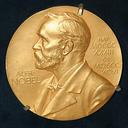
In a year when the Nobel Prize in Physiology or Medicine was not awarded, the Nobel Assembly opted to allocate the prize money to the Special Fund. The Nobel Prize, established by Alfred Nobel, is awarded to individuals or organizations making significant contributions in fields including Physiology or Medicine. However, if the Nobel Assembly does not find a sufficiently qualified recipient, the award is not granted, and the funds are instead directed to the Special Fund, which supports future prizes.
This event underscored the rigorous selection process that underpins the Nobel Prizes. Only those whose work meets the highest standards of scientific achievement are considered deserving of the accolade. The absence of a recipient in this instance suggests that the Assembly did not identify work that met these stringent criteria during this particular cycle.
This decision had a ripple effect on the scientific community, highlighting the high standards and the Nobel Assembly's commitment to excellence. It also served as a reminder of the difficulty in attaining such a prestigious award, motivating researchers to strive for higher benchmarks in their work. The funds allocated to the Special Fund would be used to support and sustain the awarding process in subsequent years, ensuring the continuity and integrity of the Nobel Prize in Physiology or Medicine.
#MoofLife #NobelPrize #Medicine #Science #NobelAssembly #ResearchStandards
Primary Reference
The Nobel Prize in Physiology or Medicine 1925 - NobelPrize.org
Explore the Life Moments of
 AI Twin