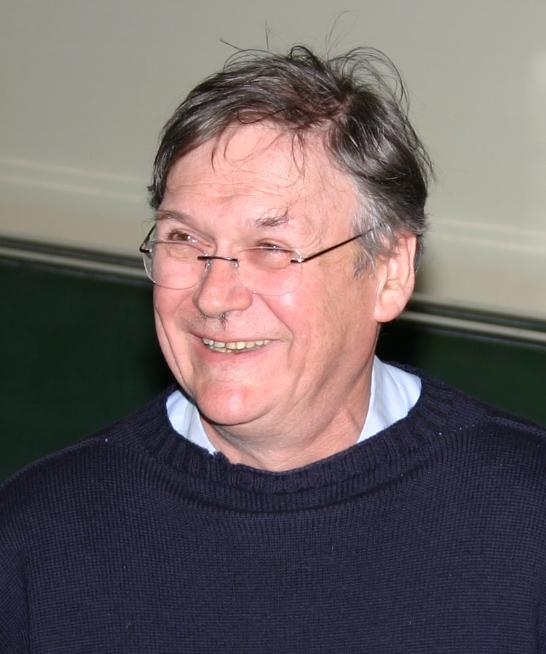
Nobel laureates recognized for cell cycle discoveries revolutionizing molecular biology and medicine.
Sweden
Science
MedicalResearch
3 min read
Updated By: History Editorial Network (HEN)
Published:
Leland Hartwell, Tim Hunt, and Sir Paul Nurse were recognized for their groundbreaking discoveries on key regulators of the cell cycle, contributions that have had a transformative impact on the field of molecular biology and medicine. Their work elucidated the crucial mechanisms that control cell division, a fundamental process in all living organisms.
Leland Hartwell identified a specific class of genes, known as "cell division cycle" genes, which function as regulators of the cell cycle. His research provided insights into how these genes control different stages of cell division. Tim Hunt discovered cyclins, proteins that undergo a cyclical synthesis and degradation pattern, which play a pivotal role in regulating the timing of cell cycle transitions. Sir Paul Nurse's work complemented these findings with the identification of a key protein, CDK (cyclin-dependent kinase), that interacts with cyclins to drive the cell cycle forward.
Their collective contributions elucidated the molecular basis of cell cycle control, providing a framework for understanding cellular proliferation. This has applications in cancer research, where dysregulation of the cell cycle is a common feature of cancerous cells. By understanding these regulatory mechanisms, scientists and medical professionals can better target treatments and develop therapies for various diseases characterized by abnormal cell division.
#NobelPrize #CellCycle #MedicalResearch #MoofLife
Explore the Life Moments of
 AI Twin