Nobel Laureates Ochoa and Kornberg: Pioneers in RNA and DNA Synthesis
Sweden
Science
4 min read
Updated By: History Editorial Network (HEN)
Published:
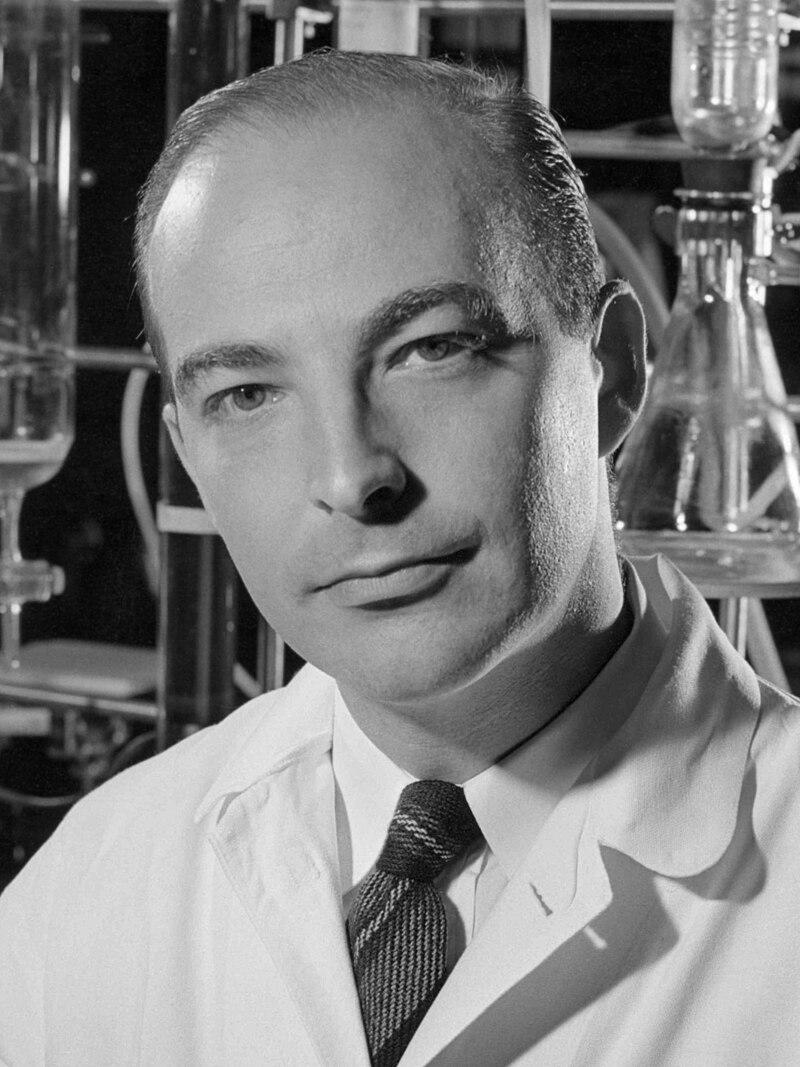
Severo Ochoa and Arthur Kornberg received recognition for their groundbreaking contributions to understanding the mechanisms involved in RNA and DNA biosynthesis. They were honored with the Nobel Prize in Physiology or Medicine.
Severo Ochoa, a Spanish-American biochemist, focused on the synthesis of RNA, the molecule essential for translating genetic information from DNA into proteins. His work involved isolating the enzyme polynucleotide phosphorylase, which has the ability to synthesize RNA in the laboratory. This discovery was critical for decoding the genetic instructions contained within DNA.
Arthur Kornberg, an American biochemist, concentrated on the synthesis of DNA, the molecule that stores genetic information. He discovered and isolated the enzyme DNA polymerase, which plays a fundamental role in DNA formation. Kornberg's work provided crucial insights into the replication of genetic material, a process vital for cell division and inheritance.
The contributions of Ochoa and Kornberg laid the foundation for modern molecular biology and biotechnology. Their discoveries enabled further research into genetic coding, enzyme function, and molecular mechanisms. These advancements have had a substantial impact on medical research, including the development of new therapies and diagnostic tools in genetic engineering and personalized medicine.
The recognition of Ochoa and Kornberg not only highlighted their individual achievements but also underscored the collaborative and cumulative nature of scientific progress. Their work continues to influence and inspire researchers in the fields of genetics and molecular biology.
#MoofLife #NobelPrize #RNA #DNA #Biosynthesis #ScienceInnovation #MedicalResearch
Primary Reference
Nobel Prize | Stanford Report
Explore the Life Moments of
 AI Twin