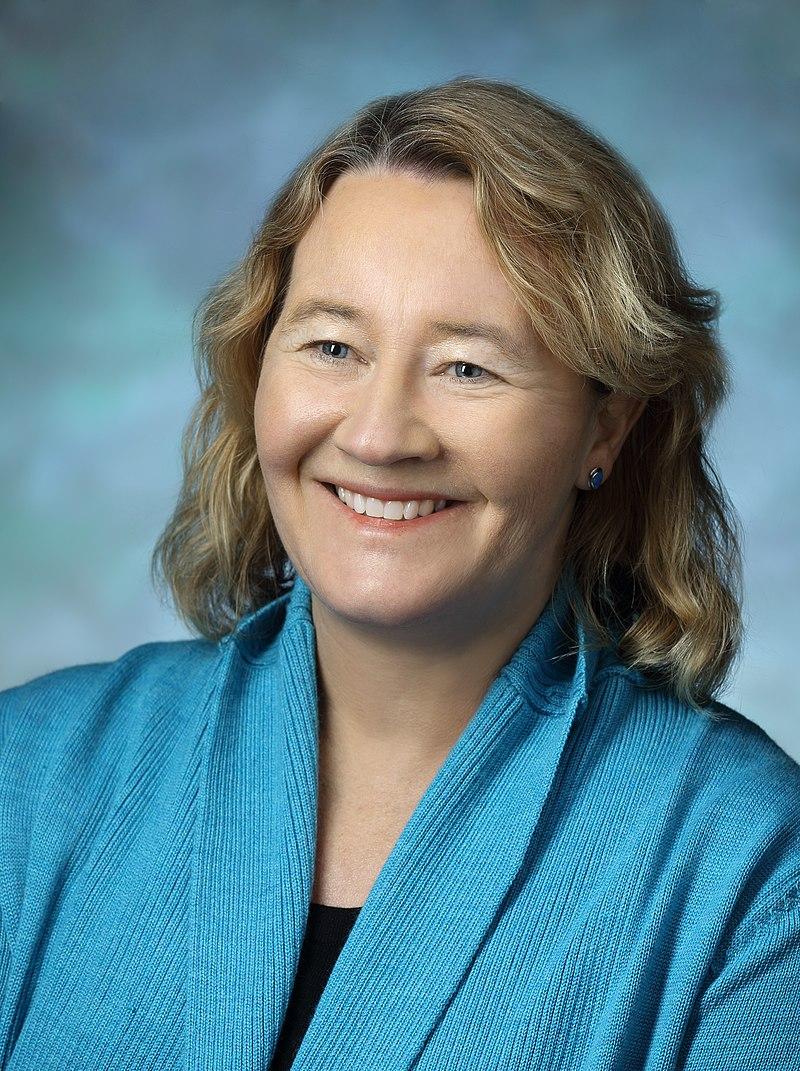
Nobel laureates Blackburn, Greider, and Szostak revolutionize genetics with telomere research.
Sweden
Science
Medical Research
4 min read
Updated By: History Editorial Network (HEN)
Published:
Elizabeth H. Blackburn, Carol W. Greider, and Jack W. Szostak were recognized by the Nobel Assembly at the Karolinska Institute for their groundbreaking research on the protective mechanisms of chromosomes through telomeres and the enzyme telomerase. Their combined efforts elucidated crucial components of cellular life and genetic stability, impacting the understanding of aging and disease mechanisms.
Telomeres, repetitive nucleotide sequences at the ends of chromosomes, protect the integrity of genetic information during cell division. However, each division results in the shortening of these telomeric sequences, eventually leading to genetic instability and cellular senescence. Blackburn and Szostak's discovery of the unique DNA sequence in the telomeres, and Greider's subsequent identification and characterization of telomerase, highlighted the functional interplay that preserves chromosome ends and cellular viability.
The implications of their work are profound, spanning the fields of cancer research, aging, and regenerative medicine. Understanding telomere dynamics and the role of telomerase offers potential therapeutic targets for age-related diseases and cancers, where telomerase activity is often abnormally regulated.
Their contributions have paved the way for advancements in biotechnology and medical research, making fundamental changes in the approach to disease treatment and prevention. This recognition by the Nobel Assembly underscores the critical importance of cellular mechanisms and their broader impacts on human health.
#NobelPrize #Telomeres #Telomerase #GeneticResearch #CellBiology #Aging #CancerResearch #MoofLife
Explore the Life Moments of
 AI Twin