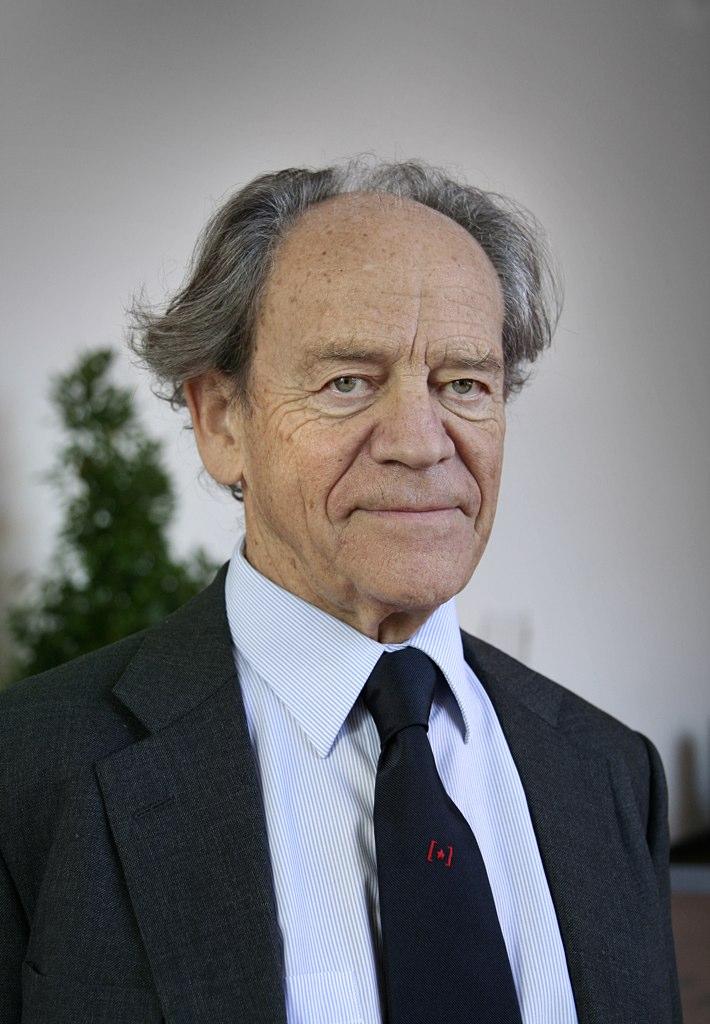
Groundbreaking neuroscientific research by Sperry, Hubel, and Wiesel advances understanding of brain functions.
Sweden
Science
4 min read
Updated By: History Editorial Network (HEN)
Published:
In recognition of groundbreaking research in neuroscience, Roger W. Sperry was honored for his pioneering work on cerebral hemisphere specialization, while David H. Hubel and Torsten N. Wiesel received accolades for their research on visual system information processing. Sperry's studies on the functional specialization of the cerebral hemispheres provided insights into how different regions of the brain contribute to distinct cognitive and perceptual functions. His experiments, often involving split-brain patients, revealed that the left and right hemispheres operate semi-independently and are responsible for various cognitive abilities such as language and spatial reasoning.
Hubel and Wiesel's work focused on the mechanisms through which visual information is processed by the brain. Their research elucidated the way in which neurons in the visual cortex respond to stimuli, laying out the hierarchical organization of receptive fields and the concept of visual cortical columns. Their discoveries significantly advanced the understanding of sensory processing and information flow within the brain's visual system.
Both studies had profound implications for neuroscience, aiding in the treatment and understanding of neurological disorders and underpinning much subsequent research in brain functions and cognitive psychology. The recognition of their work underscores the importance of fundamental research in furthering scientific knowledge and medical progress.
#Neuroscience #NobelPrize #BrainResearch #VisualSystem #CerebralHemispheres #MoofLife
Primary Reference
Roger W. Sperry – Nobel Lecture - NobelPrize.org
Explore the Life Moments of
 AI Twin