Groundbreaking Malaria Therapy for Treating Dementia Paralytica by Wagner-Jauregg
Sweden
Science
MedicalInnovation
3 min read
Updated By: History Editorial Network (HEN)
Published:
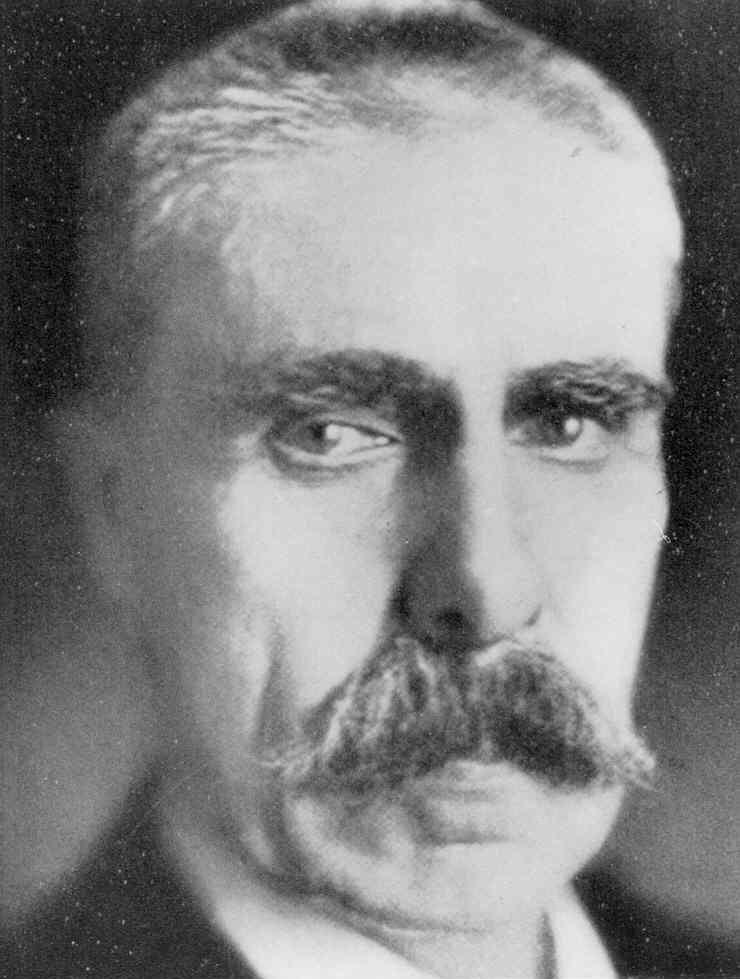
Julius Wagner-Jauregg was recognized for his groundbreaking work in discovering the therapeutic benefits of malaria inoculation in treating general paralysis of the insane, also known as dementia paralytica. This condition, a late-stage manifestation of syphilis, was a devastating progressive neurological disorder with no effective treatment. Chances of recovery were remarkably low and it often led to severe psychiatric and neurological symptoms.
Wagner-Jauregg's innovative approach involved infecting patients with malaria, thereby inducing high fevers that could kill the syphilis-causing bacteria Treponema pallidum. This procedure took advantage of the fact that syphilis bacteria were less heat-resistant than human tissues. Treatment resulted in a significant number of patients exhibiting marked improvements, which was a groundbreaking development in medical science at the time.
Statistically, before his discovery, the prognosis for dementia paralytica was grim, with virtually no survivors once severe symptoms manifested. With malaria therapy, significant recovery rates were recorded; mortality within this patient group decreased drastically. Reports indicated substantial improvement in the overall health of more than 30% of the treated individuals, shedding light on the importance of induced fever treatments in battling certain bacterial infections.
#MalariaTherapy #MedicalInnovation #NobelPrize #NeurologyBreakthrough #MoofLife
Primary Reference
Julius Wagner-Jauregg - Wikipedia
Explore the Life Moments of
 AI Twin