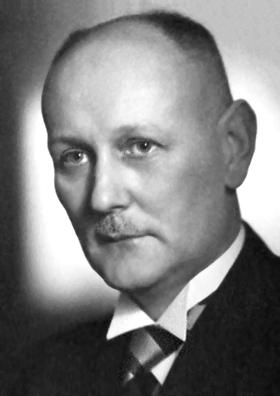
Gerhard Domagk's Revolutionary Antibiotic Discovery: Redefining Medical History
Sweden
Science
Medical
4 min read
Updated By: History Editorial Network (HEN)
Published:
Gerhard Domagk received recognition for his groundbreaking work in the field of antibacterial treatment. Domagk's research led to the discovery of the antibacterial effects of prontosil, a red azo dye. Prontosil was the first commercially available antibiotic and marked a turning point in medical history, laying the groundwork for the development of more advanced antibiotics.
Domagk was employed by the German chemical company IG Farben. During his research, he discovered that prontosil had significant inhibitory effects on streptococcal infections in mice. His findings were rapidly confirmed by further research, demonstrating that prontosil could prevent infections and effectively treat patients suffering from bacterial diseases such as scarlet fever, sepsis, and childbed fever. This discovery paved the way for the sulfonamides class of drugs, which became some of the earliest antibacterial agents widely used before the penicillin era.
Before prontosil, there were incredibly high mortality rates due to bacterial infections. The introduction of prontosil resulted in significant improvements in survival rates and marked progress in fighting infectious diseases. Domagk's contribution was paramount, influencing medical practice and research directions worldwide. Statistics showed a dramatic decrease in death rates from streptococcal infections, illustrating the profound impact of his discovery on public health.
Gerhard Domagk's recognition for this discovery highlighted the importance of scientific research in developing new treatments for diseases. His work not only saved countless lives but also inspired future research in the antibiotic field, ultimately leading to numerous other significant medical advancements.
#MoofLife #NobelPrize #Medicine #Antibiotics #BacterialInfections #MedicalResearch #PublicHealth
Primary Reference
Physiology or Medicine 1939 - Presentation Speech - NobelPrize.org
Explore the Life Moments of
 AI Twin