
Discovery of H. pylori's Link to Ulcers: Revolutionary Shift in Treatment and Diagnosis.
Sweden
Science
Medical Discovery
5 min read
Updated By: History Editorial Network (HEN)
Published:
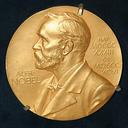
Australian scientists Barry J. Marshall and J. Robin Warren were recognized for their pioneering discovery of Helicobacter pylori and its role in gastritis and peptic ulcer disease. Prior to their research, the commonly held belief was that peptic ulcers were primarily caused by stress and lifestyle factors. Marshall and Warren's findings challenged this conventional wisdom, demonstrating that a bacterium was the main culprit.
Barry Marshall, a gastroenterologist, and Robin Warren, a pathologist, began their collaborative research in the late 1970s. Their work initially faced skepticism from the medical community because the idea that bacteria could survive in the highly acidic environment of the stomach seemed implausible. However, through persistent studies and innovative methods, including Marshall ingesting the bacterium to prove his hypothesis, they provided compelling evidence linking H. pylori to these gastrointestinal conditions.
Their research showed that Helicobacter pylori infection was present in up to 80% of patients with gastric ulcers and up to 90% of those with duodenal ulcers. This bacterium's presence leads to chronic inflammation of the stomach lining, which can eventually lead to ulcers and even stomach cancer if left untreated.
The discovery had a profound impact on the treatment and diagnosis of ulcer disease. It sparked a paradigm shift, moving from symptom management with antacids and histamine receptor blockers to the use of antibiotics to eradicate H. pylori infections. This change significantly improved patient outcomes and reduced the incidence of recurring ulcers and complications related to the disease.
Marshall and Warren's work emphasized the importance of challenging established medical doctrines and demonstrated the role of infection in chronic diseases. This breakthrough not only brought global recognition to their contributions through prestigious accolades but also highlighted the role of curiosity and unconventional thinking in advancing medical science.
#HelicobacterPylori #NobelPrize #MedicalResearch #Gastroenterology #PepticUlcer #MoofLife
Explore the Life Moments of
 AI Twin