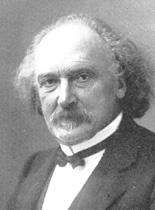
Charles Nicolle: Pioneer in Typhus Research and Nobel Laureate
Sweden
Science
Health
4 min read
Updated By: History Editorial Network (HEN)
Published:
Charles Nicolle, a French bacteriologist, was recognized for his groundbreaking work on typhus. Before this scientific achievement, typhus, spread by lice, caused significant health issues worldwide. Nicolle's pivotal discovery was establishing lice as the vector for the typhus organism, Rickettsia prowazekii. This understanding marked a turning point in combating the disease.
Working at the Pasteur Institute in Tunis, Nicolle observed that inmates quarantined from lice did not contract typhus. This led to focused research culminating in the identification of the louse as the transmission agent. His work not only contributed crucial knowledge to the field of infectious diseases but also paved the way for creating preventive measures against typhus. Consequently, his discovery had a direct impact on public health strategies, reducing the spread and fatalities associated with the disease.
Statistics underline the severity of the typhus problem; during various outbreaks, fatalities could range as high as 40%. Nicolle's contributions greatly enhanced epidemiology and hygiene practices, decreasing mortality rates and improving societal health conditions.
Nicolle's Nobel Prize in Physiology or Medicine recognized the importance of his work in mitigating one of the world's oldest and deadliest diseases. The award highlighted scientific advancements in medical understanding and the fight against infectious diseases.
#MoofLife #CharlesNicolle #TyphusResearch #NobelPrize #PublicHealth #Epidemiology #MedicalAchievement #VectorIdentification
Primary Reference
Physiology or Medicine 1928 - Presentation Speech - NobelPrize.org
Explore the Life Moments of
 AI Twin