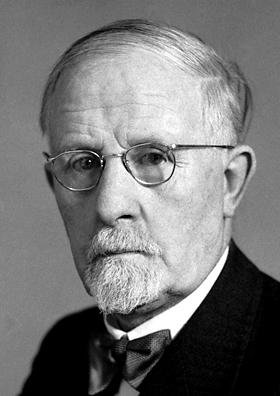
Advancements in Neuroscience and Psychiatry by Hess and Moniz: Mapping Brain Functions and Psychosurgery.
Sweden
Science
MedicalAdvancements
3 min read
Updated By: History Editorial Network (HEN)
Published:
Walter Hess was recognized for his work on the functional organization of the interbrain and António Egas Moniz for the therapeutic value of leucotomy in treating certain psychoses. Hess meticulously mapped brain regions, uncovering how different parts coordinate functions like sleep, hunger, and emotional reactions. This groundbreaking research provided insights into neurological control and brain physiology.
On the other hand, Moniz introduced the leucotomy, a procedure aiming to alleviate severe mental disorders by severing connections in the brain's frontal lobe. Despite its controversial nature and potential for severe side effects, the procedure highlighted the urgent need for effective treatments for psychiatric conditions and paved the way for future developments in psychosurgery and psychopharmacology.
These contributions underscored major advancements in neuroscience and mental health treatment, influencing subsequent research and clinical practices. Hess’s findings in brain functions formed a foundational understanding that would aid the development of modern neuroscience, while Moniz’s technique, although largely obsolete now due to ethical concerns and better treatment options, marked a significant period in psychiatric treatment history.
#NobelPrize #Psychiatry #Neuroscience #BrainResearch #MentalHealth #MedicalAdvancements #MoofLife
Primary Reference
Nobel Laureate Surgeons
Explore the Life Moments of
 AI Twin