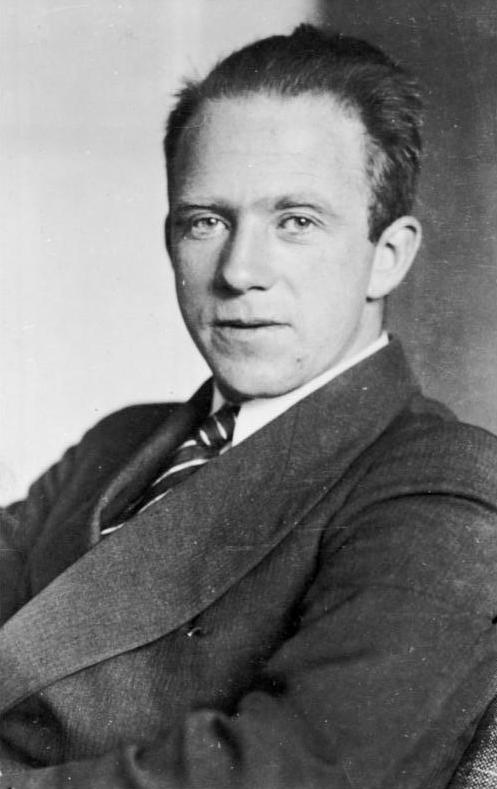
Werner Heisenberg: Nobel Laureate for Quantum Mechanics and Molecular Research
Sweden
Science
4 min read
Updated By: History Editorial Network (HEN)
Published:
Werner Heisenberg was recognized by the Nobel Committee for his pioneering work in the field of physics. Heisenberg had made significant contributions to the creation of quantum mechanics, a fundamental theory that has since become the backbone of modern physics. Quantum mechanics altered the way scientists understand atomic and subatomic processes, providing a new framework for studying the interactions of particles at the smallest scales.
Heisenberg's work included the formulation of matrix mechanics, one of the first complete and self-consistent formulations of quantum mechanics. This approach represented a departure from classical mechanics, drawing on probability and statistical methods to describe the behavior of particles. Over time, quantum mechanics has facilitated major advancements in various technological fields, including semiconductors, lasers, and magnetic resonance imaging (MRI).
In addition to his groundbreaking work on quantum mechanics, Heisenberg discovered allotropic forms of hydrogen, known as orthohydrogen and parahydrogen. These distinct forms of the hydrogen molecule are differentiated by the spin states of their constituent protons. This discovery provided deeper insight into the properties of hydrogen, the most abundant element in the universe, and contributed to the broader understanding of molecular physics.
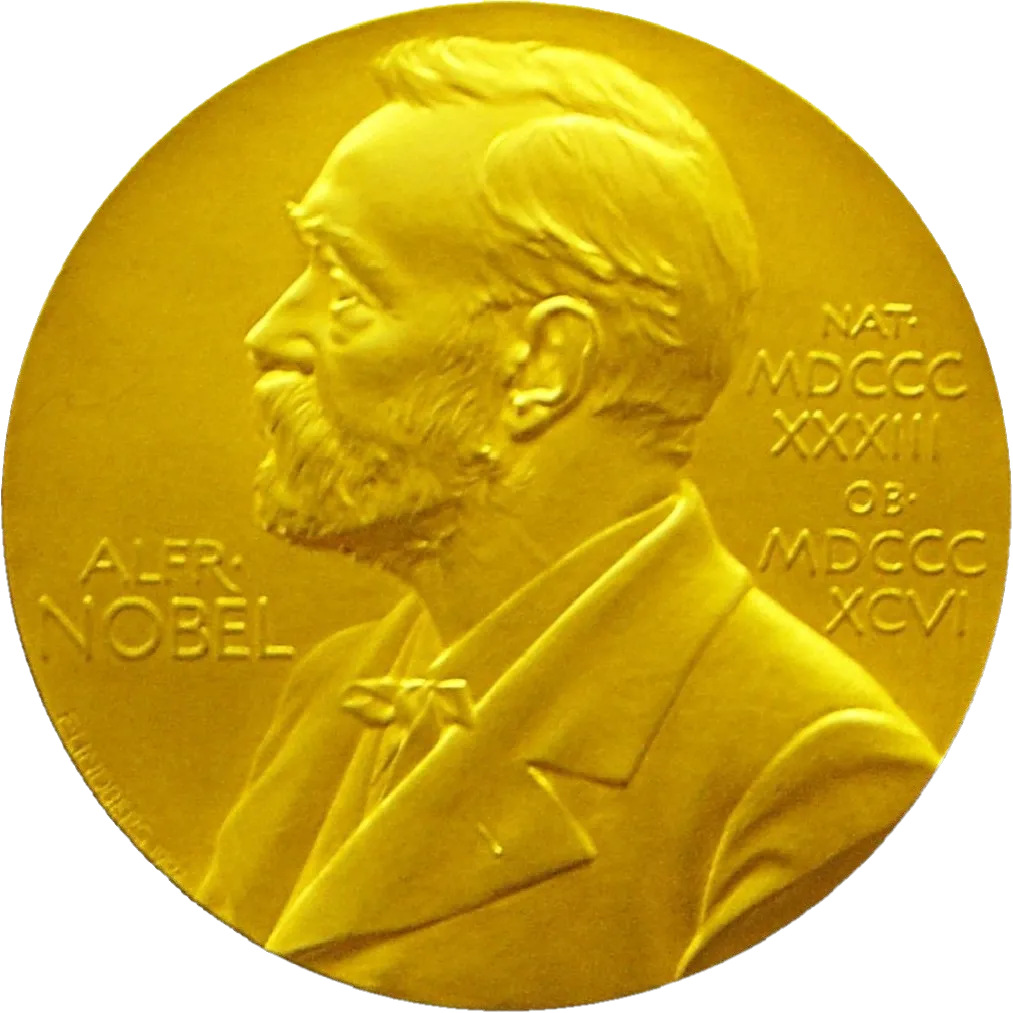
The award Heisenberg received for his contributions came from the Nobel Prize in Physics. This accolade acknowledged not just his individual achievements but also the far-reaching impact of quantum mechanics on scientific inquiry and the potential for future technological advancements.
#QuantumMechanics #Physics #WernerHeisenberg #NobelPrize #ScientificDiscovery #AllotropicHydrogen #MoofLife
Primary Reference
Werner Heisenberg – Facts - NobelPrize.org
Explore the Life Moments of
 AI Twin