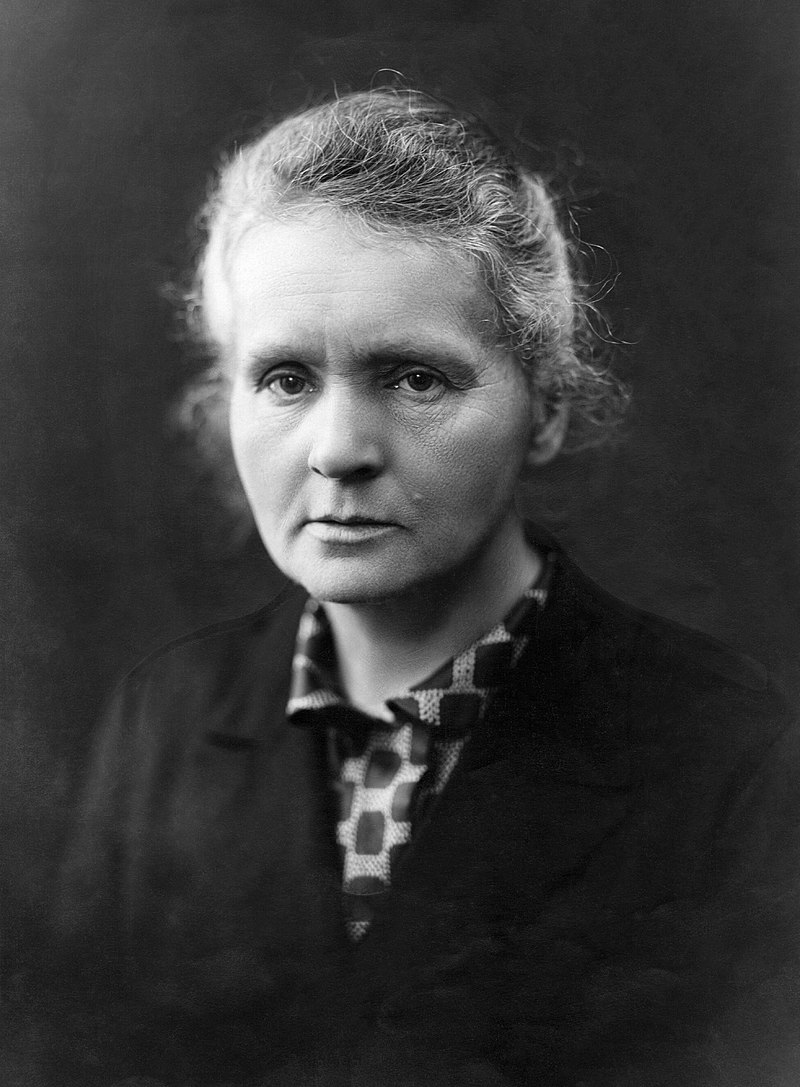
Pioneers of Radioactivity: The Nobel Prize-winning work of Becquerel and the Curies revolutionized science.
Sweden
Science
4 min read
Updated By: History Editorial Network (HEN)
Published:
Henri Becquerel, Pierre Curie, and Marie Curie were honored for their pioneering work in the field of radioactivity. Their significant contributions were recognized by awarding them the Nobel Prize in Physics. Henri Becquerel first discovered radioactivity in uranium salts. This discovery was built upon by Marie and Pierre Curie. Together, they identified and isolated radium and polonium, furthering the understanding of radioactive elements and their properties.
The impact of their research was profound, influencing various scientific disciplines and medical treatments. For instance, the discovery of radium's radioactive properties eventually led to advances in treating certain cancers through radiotherapy. It also laid the groundwork for future research into nuclear energy and its applications.
Marie Curie made history by becoming the first woman to receive a Nobel Prize, highlighting the importance of diversity and inclusion in scientific achievements. The collective efforts of these researchers not only expanded the boundaries of scientific knowledge but also demonstrated the value of collaboration in achieving groundbreaking discoveries.
With their research, Becquerel and the Curies set the stage for future scientific breakthroughs, inspiring generations of scientists. Their contributions are a cornerstone in the fields of physics and chemistry, with lasting implications that continue to resonate in today's scientific and medical landscapes.
#NobelPrize #Radioactivity #ScienceHistory #Physics #MarieCurie #PierreCurie #HenriBecquerel #MoofLife
Primary Reference
Nobel Prize in Physics 1903 - Presentation Speech - NobelPrize.org
Explore the Life Moments of
 AI Twin