Nobel Prize Winners Revolutionize Spectroscopy with Laser and Electron Techniques
Sweden
Science
Technology
4 min read
Updated By: History Editorial Network (HEN)
Published:
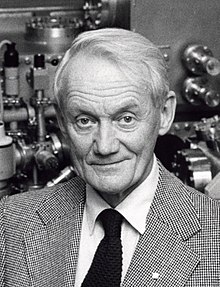
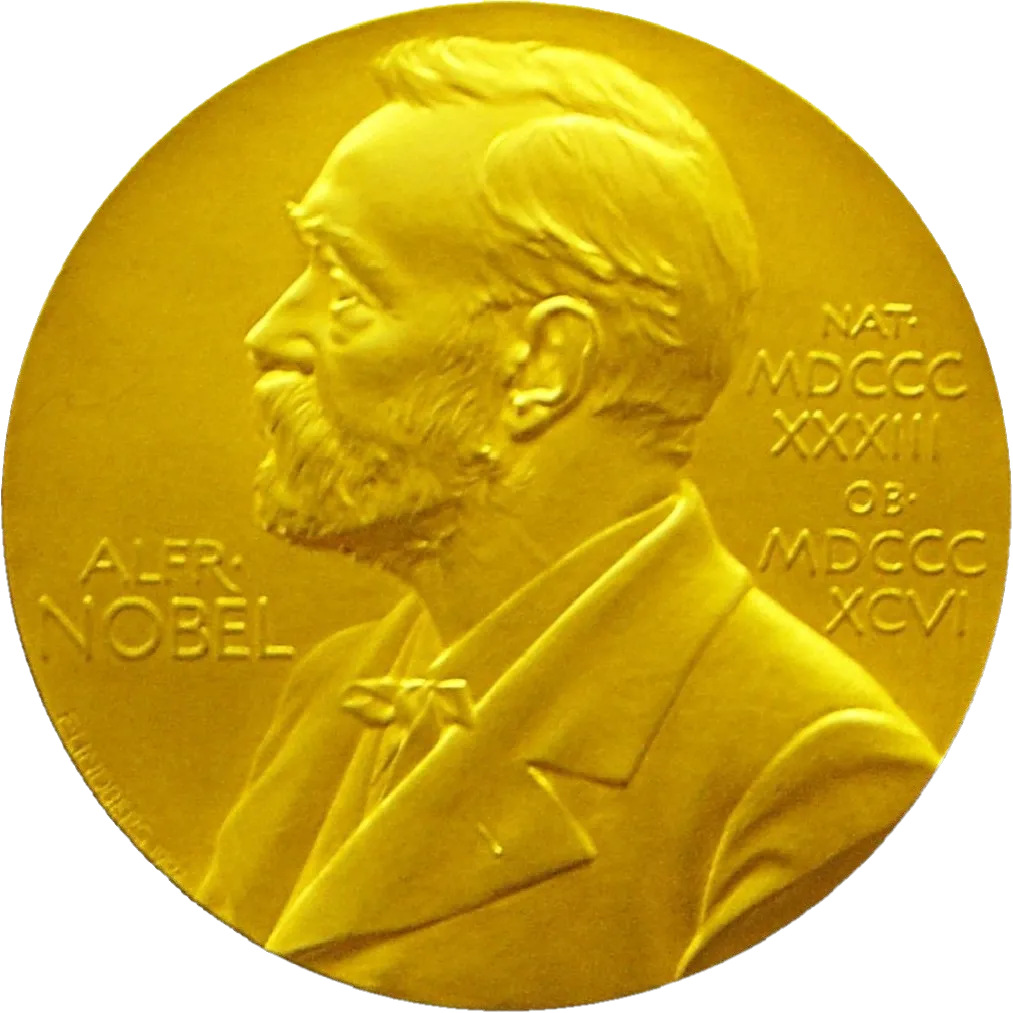
The Nobel Prize in Physics was awarded to three scientists for their pioneering work in spectroscopy. Nicolaas Bloembergen and Arthur L. Schawlow were recognized for their development of laser spectroscopy, a technique that uses lasers to study the properties of molecules and atoms with unprecedented precision. Kai M. Siegbahn received the prize for his contributions to high-resolution electron spectroscopy, a method that allows for detailed examination of the energy levels of electrons within atoms.
Laser spectroscopy, developed by Bloembergen and Schawlow, opened new avenues in scientific research by enabling highly accurate measurements of atomic and molecular spectra. This has had profound implications not only for basic science but also for practical applications, including medical diagnostics and telecommunications.
Siegbahn's work in high-resolution electron spectroscopy significantly enhanced the ability of scientists to study electronic structures and interactions, contributing to the fields of chemistry, physics, and materials science. His method provided a more refined understanding of the electronic properties of materials, which is essential for the development of new technologies.
Together, these advancements in spectroscopy have facilitated a deeper understanding of the fundamental properties of matter, thereby impacting multiple scientific disciplines and leading to various technological innovations.
#Physics #NobelPrize #LaserSpectroscopy #ElectronSpectroscopy #ScientificResearch #Technology #MoofLife
Explore the Life Moments of
 AI Twin