
Nobel Laureates revolutionize lighting with blue LEDs, reducing energy consumption and carbon emissions globally.
Sweden
Science
Technology
4 min read
Updated By: History Editorial Network (HEN)
Published:
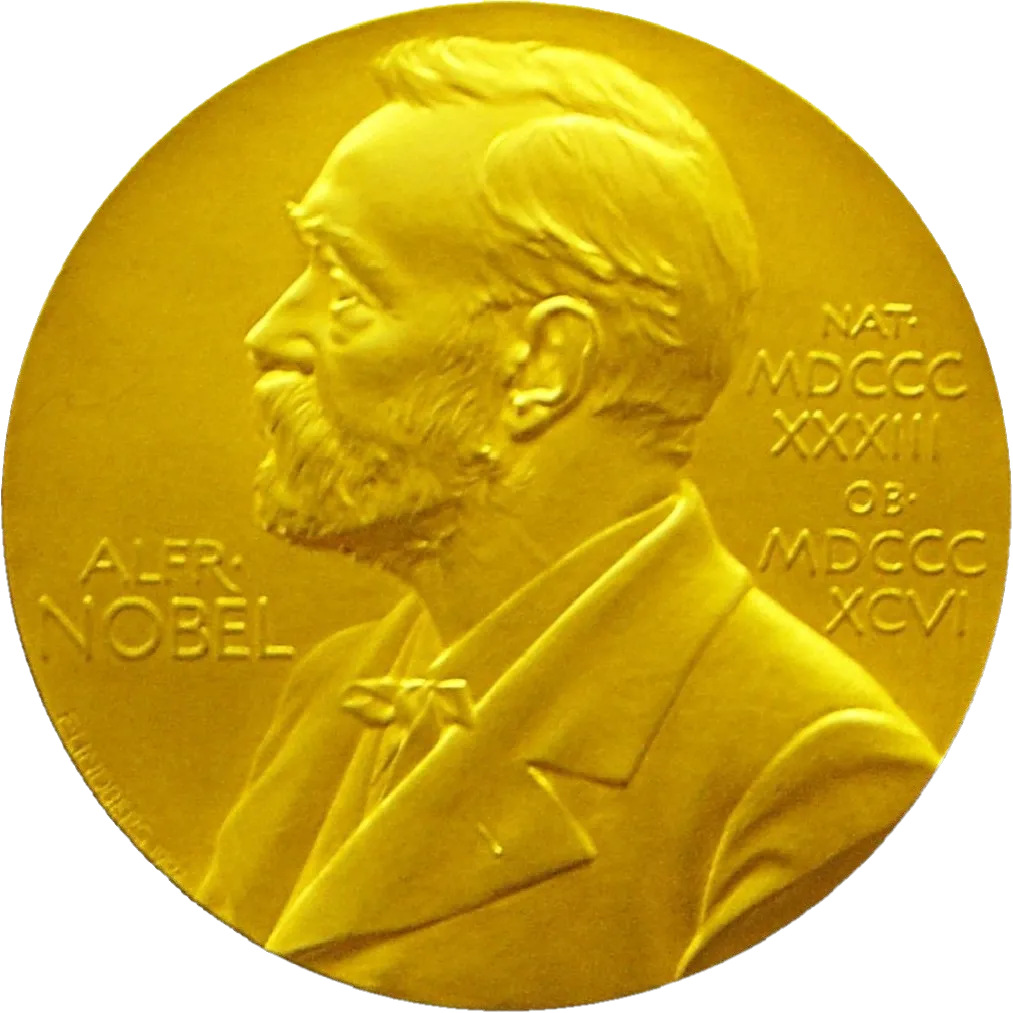
Isamu Akasaki, Hiroshi Amano, and Shuji Nakamura were recognized with the Nobel Prize in Physics for their work on blue light-emitting diodes (LEDs). Their research, which spanned several decades, culminated in the development of efficient blue LEDs. This innovation was pivotal because it allowed for the creation of white light sources that are both bright and energy-saving.
Before their breakthrough, LED technology was limited to red and green diodes, and the absence of blue LEDs hindered the development of full-spectrum white light sources. The trio's success with blue LEDs made it possible to combine red, green, and blue light to produce white light. This advance not only revolutionized lighting technology but also had significant implications for energy consumption worldwide. LED lighting is much more energy-efficient compared to traditional incandescent and fluorescent bulbs, reducing electricity usage and, consequently, lowering carbon emissions.
The development and commercialization of blue LEDs led to widespread adoption in various fields. They are now integral in displays, general lighting, and numerous electronic devices. This invention has helped to reduce the global energy footprint and has been considered one of the most impactful improvements in lighting technology.
Statistics show that LED lighting can reduce energy consumption by up to 75% compared to traditional incandescent bulbs. Additionally, LEDs have a longer operational life, often exceeding 25,000 hours, compared to around 1,000 hours for incandescent bulbs. The environmental impact is also significant, with LEDs reducing carbon dioxide emissions substantially.
#NobelPrize #Physics #LED #Innovation #EnergyEfficiency #Lighting #Technology #MoofLife
Explore the Life Moments of
 AI Twin