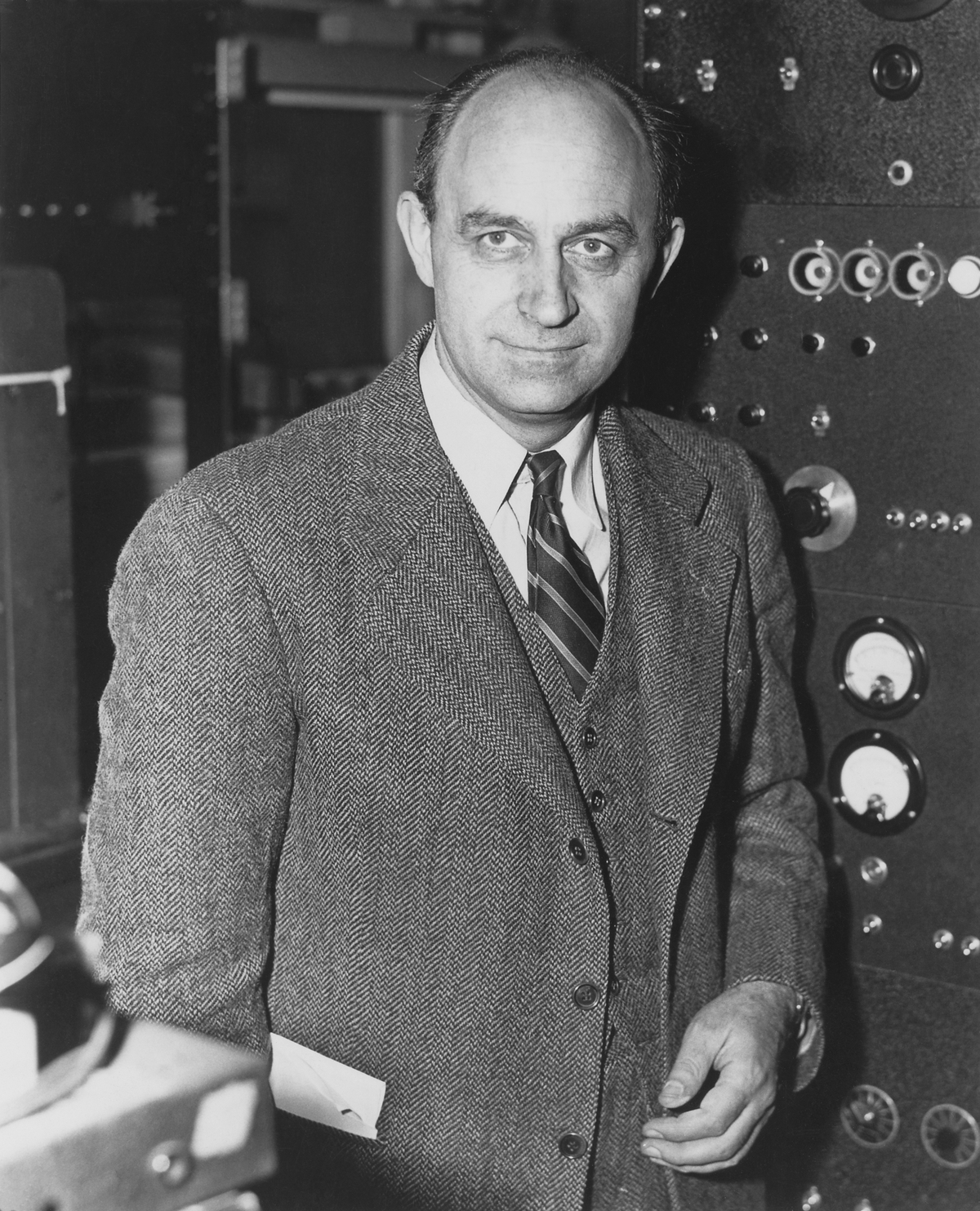
Enrico Fermi's Groundbreaking Contributions to Nuclear Physics and Quantum Mechanics
Sweden
Science
4 min read
Updated By: History Editorial Network (HEN)
Published:
Enrico Fermi, a physicist, was recognized for his groundbreaking work in nuclear physics. His experiments demonstrated the creation of new radioactive elements through neutron irradiation and nuclear reactions with slow neutrons. Fermi's methodology involved bombarding elements with slow neutrons, achieving both artificial radioactivity and the transformation of elements. This research was instrumental in expanding the understanding of atomic structure and nuclear reactions.
Fermi's work included the discovery of neutron-induced radioactivity, where neutrons are absorbed by the nucleus of an element, making it unstable and radioactive. The significance of this discovery lies in its potential applications in medicine, energy, and materials science. Notably, it paved the path for the development of nuclear reactors and atomic bombs. These applications have since had wide-reaching effects, from power generation to the medical treatments of various diseases through radiotherapy.
Fermi's contributions included formulating the theory of beta decay and introducing the statistical laws in atomic and subatomic processes. The term 'Fermions,' which describes particles that follow Fermi-Dirac statistics, is named after him. Through his work, Fermi significantly advanced the field of quantum mechanics and nuclear physics.
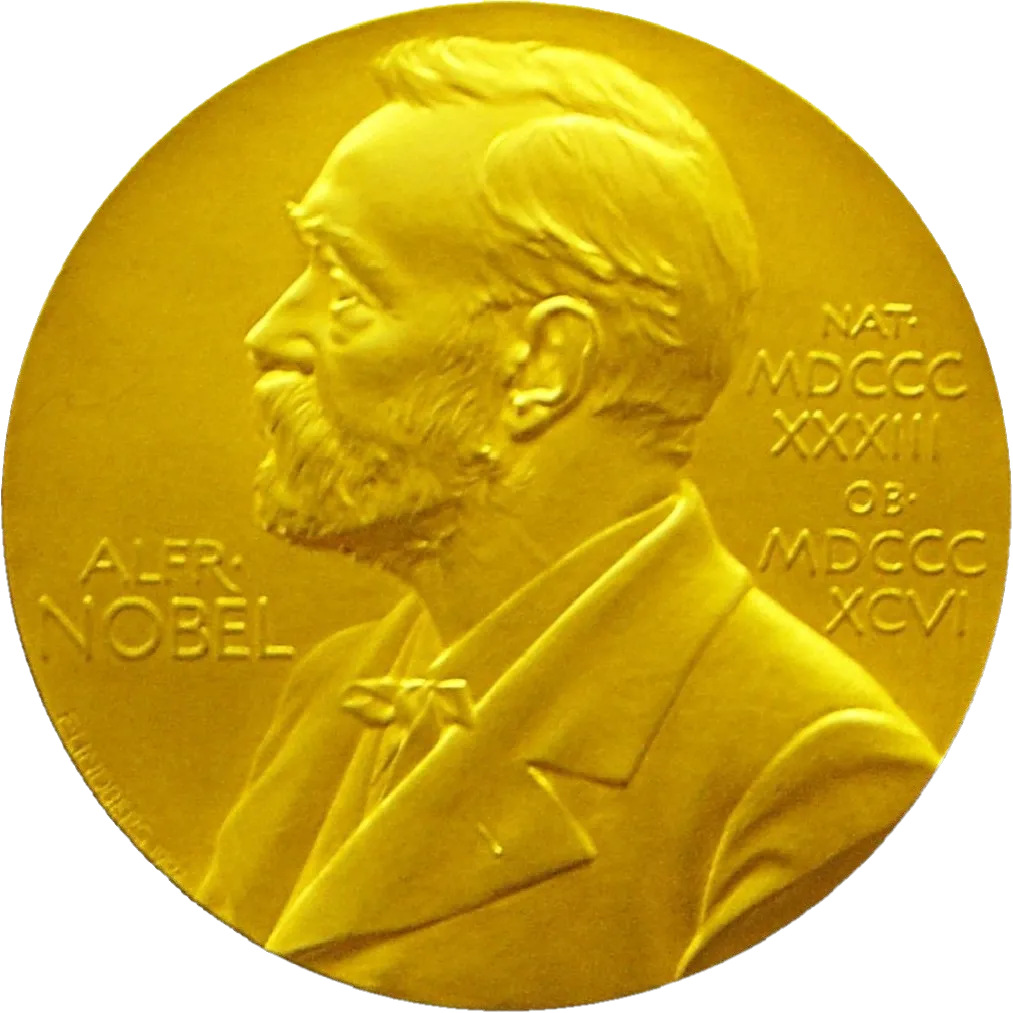
The recognition of Enrico Fermi with the Nobel Prize in Physics highlighted the importance of fundamental research in expanding scientific knowledge and its practical applications. His findings underscored the potential of nuclear science to revolutionize multiple sectors, thereby influencing future research and technologies.
#NobelPrize #Physics #EnricoFermi #NuclearPhysics #ScienceInnovation #MoofLife
Primary Reference
Rome, Stockholm, New York - SCIENCE AND CONSCIENCE: - The ...
Explore the Life Moments of
 AI Twin