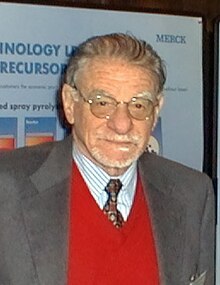
Breakthrough Discovery: High-Temperature Superconductivity by Bednorz and Müller
Sweden
Science
Technology
4 min read
Updated By: History Editorial Network (HEN)
Published:
J. Georg Bednorz and K. Alex Müller were acclaimed for their pioneering research in the field of superconductivity. Their work led to the discovery of superconductivity in ceramic materials, a breakthrough that considerably advanced materials science and condensed matter physics.
Prior to their discovery, superconductivity was primarily associated with metallic elements at temperatures close to absolute zero. The finding that ceramic materials could exhibit superconductivity at relatively higher temperatures challenged established scientific paradigms and opened new avenues for research. This discovery hinted at the possibility of practical and economically viable superconductors, which could be used in various technology and industry sectors, including magnetic resonance imaging (MRI) and maglev trains.
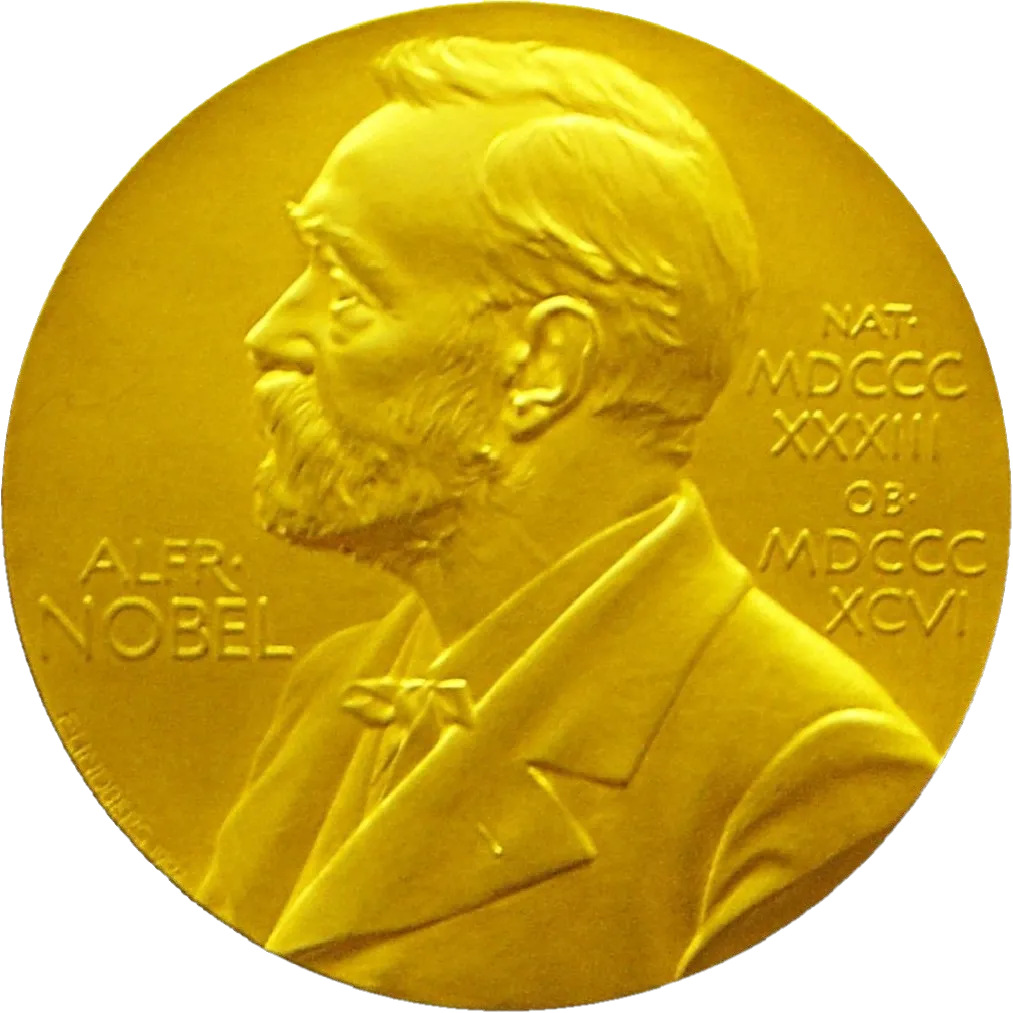
The Nobel Prize in Physics was awarded to Bednorz and Müller in recognition of the significant potential their work offered. Their discovery sparked a surge of research activity and funding aimed at understanding and expanding the capabilities of high-temperature superconductors. It provided a strong foundation for future studies and technological advancements, reenergizing interest and investment in the field.
This event underscored the importance of continual exploration in the scientific community and its potential to result in impactful innovations. The recognition by the Nobel committee highlighted the wider implications of their work, influencing technologies that shape various aspects of modern life and potentially revolutionizing them.
#PhysicsExcellence #NobelPrize #ScientificBreakthrough #Superconductivity #HighTempSuperconductors #InnovationInScience #MooofLife
Primary Reference
J. Georg Bednorz and K. Alex Müller - Nobel Lecture
Explore the Life Moments of
 AI Twin