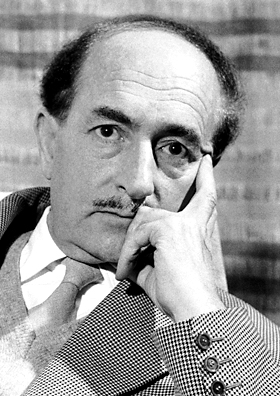
Salvatore Quasimodo: Nobel Laureate for Lyrical Poetry Reflecting Tragic Contemporary Experiences
Sweden
Literature
Italian Literature
4 min read
Updated By: History Editorial Network (HEN)
Published:
Salvatore Quasimodo, an Italian poet, was awarded the Nobel Prize in Literature. The Swedish Academy honored him for his lyrical poetry, which they noted expressed the tragic experiences of life in contemporary times with classical fire. Quasimodo's work is rooted in the hermetic tradition, emphasizing complex symbolism and a meditative approach to themes of suffering and existential angst.
Born in 1901 in Sicily, Quasimodo began his career as a civil engineer and only later turned to poetry. His first collection, "Acque e terre" (Waters and Earths), published in 1930, marked his entry into the literary world. Over the years, his poetry evolved, reflecting the harsh reality of war and personal experiences. His collection "Ed è subito sera" (And Suddenly It's Evening), published in 1942, is considered one of his most significant works.
Quasimodo's recognition by the Nobel committee brought considerable attention to Italian literature in the post-war period. His award highlighted the enduring relevance of poetry in addressing contemporary issues, including the human condition, war, and existential despair. At the time of his recognition, Quasimodo was part of a broader movement within literature that sought to grapple with the aftermath of World War II and its profound psychological impacts.
Scholarly attention to Quasimodo's work increased following the Nobel Prize announcement. This acknowledgment not only solidified his reputation internationally but also drew attention to the importance of poetic expression in articulating the emotional and moral complexities of the 20th century.
#NobelPrize #Literature #SalvatoreQuasimodo #PoetryOfLife #MoofLife
Primary Reference
1959 Nobel Prize in Literature - Wikipedia
Explore the Life Moments of
 AI Twin