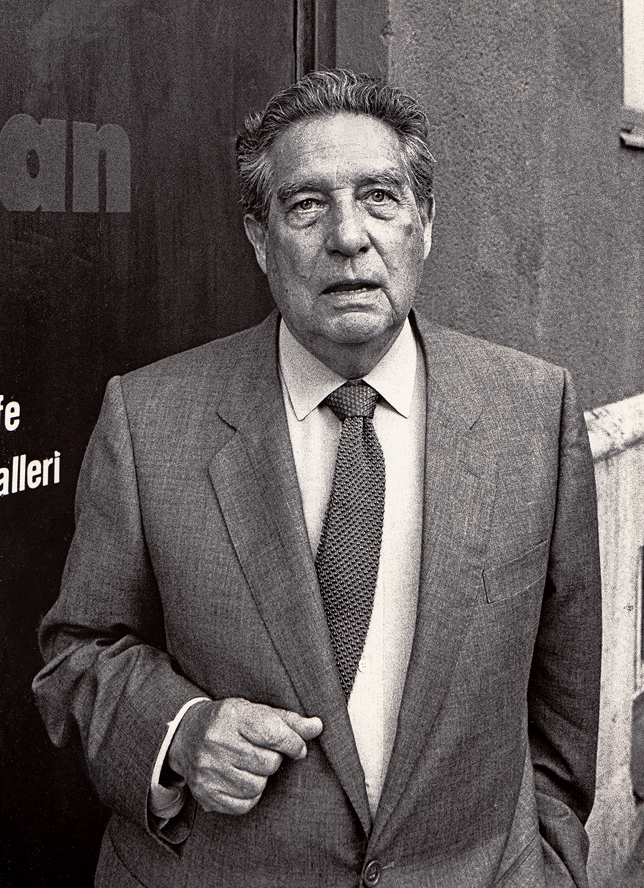
Octavio Paz: Nobel Laureate and Literary Icon
Sweden
Literature
Politics
4 min read
Updated By: History Editorial Network (HEN)
Published:
Octavio Paz, a Mexican poet, essayist, and diplomat, received the Nobel Prize in Literature 'for impassioned writing with wide horizons, characterized by sensuous intelligence and humanistic integrity.' This recognition highlighted his significant contributions to world literature, reflecting his deep engagement with themes of existence, identity, and cultural synthesis.
Paz's diverse body of work spans poetry, essays, and literary criticism, with notable works including "The Labyrinth of Solitude," "Sunstone," and "The Monkey Grammarian." His writing often explores the complexities of Mexican identity, the intersection of poetry and politics, and the human condition, combining distinct philosophical insights with a rich, lyrical style.
Paz's involvement in politics and diplomacy, particularly his time as ambassador to India, profoundly influenced his literary voice, shaping a global perspective that transcends geographical and cultural boundaries. His experiences often informed his reflections on the nature of being and the cosmos, integrating elements of Eastern and Western thought.
The Nobel Prize in Literature brought international recognition to Paz and underscored the importance of Latin American literature in global cultural discourse. The award also emphasized the universal relevance of his work, resonating with readers and writers worldwide and inspiring subsequent generations of literary talents. Paz's impact extended beyond literature, as his intellectual legacy continues to influence contemporary discussions on culture, identity, and human rights.
#NobelPrizeinLiterature #OctavioPaz #LiteraryImpact #CulturalIdentity #GlobalInfluence #MoofLife
Primary Reference
Octavio Paz – Facts - NobelPrize.org
Explore the Life Moments of
 AI Twin