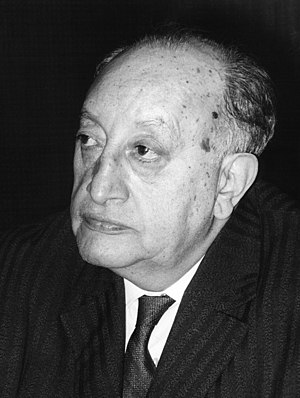
Miguel Ángel Asturias: Nobel Laureate, Champion of Latin American Indigenous Cultures
Sweden
Literature
Cultural Heritage
4 min read
Updated By: History Editorial Network (HEN)
Published:
Miguel Ángel Asturias, a prominent Guatemalan writer, received international recognition when he was honored with the Nobel Prize in Literature. This accolade was awarded for his outstanding literary contributions that vividly encapsulate the cultural and traditional essence of the indigenous peoples of Latin America. Asturias's works, including "El Señor Presidente" and "Hombres de Maíz," are celebrated for their exploration of the socio-political landscape and the folklore of his native land.
His recognition by the Nobel committee highlighted the significance of Latin American literature on the global stage. Asturias's writing often drew upon the rich oral traditions and mythologies of the Maya, offering a voice to the historically marginalized indigenous communities. This emphasis on native themes significantly contributed to a broader awareness and appreciation of Latin American cultural heritages.
The awarding of the Nobel Prize to Asturias underscored the literary prowess emanating from Latin America and inspired a generation of writers in the region. It is widely regarded as a pivotal event in the boom of Latin American literature, which saw the emergence of other influential writers like Gabriel García Márquez and Mario Vargas Llosa.
The impact of Asturias's award extended beyond literature, highlighting issues of social justice, cultural identity, and historical memory. His distinguished acknowledgment served as a testament to the powerful role of literature in reflecting and shaping societal narratives.
#MoofLife #Literature #NobelPrize #LatinAmerica #IndigenousVoices #CulturalHeritage #MiguelAngelAsturias
Primary Reference
1967 Nobel Prize in Literature - Wikipedia
Explore the Life Moments of
 AI Twin