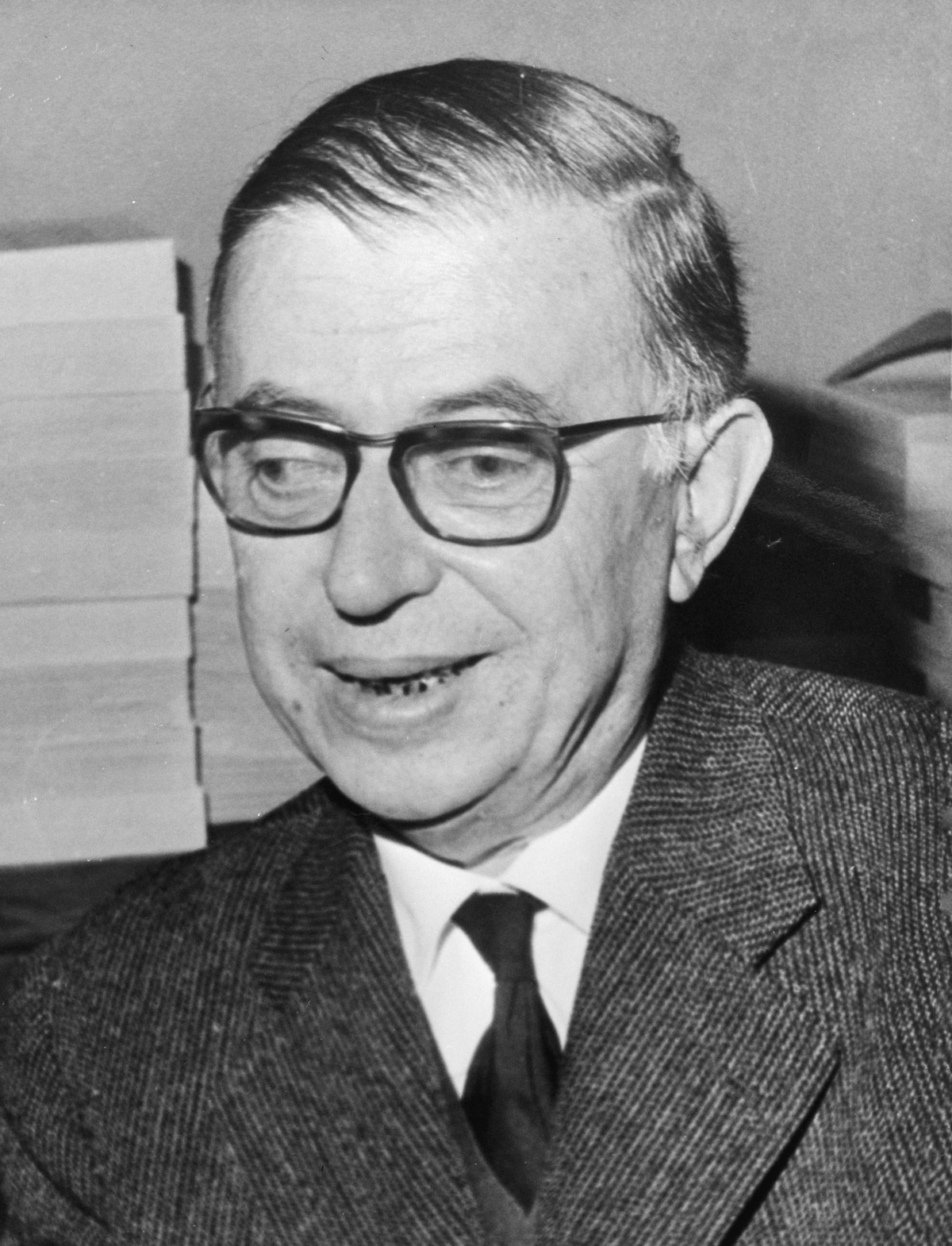
Jean-Paul Sartre's Nobel Prize Decline: Impact on Literature and Ethics
Sweden
Literature
Philosophy
4 min read
Updated By: History Editorial Network (HEN)
Published:
Jean-Paul Sartre, a prominent French philosopher, playwright, and novelist, was awarded the Nobel Prize in Literature for his extensive body of work. His writings, characterized by a deep exploration of existentialist themes, examine human freedom, responsibility, and the search for truth.
Sartre's literary contributions include influential works such as "Being and Nothingness," "Nausea," and the play "No Exit." These publications have significantly shaped contemporary thought, particularly in existential and philosophical literature. Sartre's commitment to Marxist and existentialist ideas provided a critical framework through which readers consider personal and societal freedom.
Despite the prestige of the Nobel Prize, Sartre declined the honor. He maintained that accepting the award would compromise his independent stance and freedom as a writer. This decision sparked widespread debate and discussion within the literary community and beyond, highlighting the tension between personal principles and public recognition.
Sartre's refusal to accept the Nobel Prize did not diminish his impact; instead, it enhanced his reputation as a steadfast advocate for intellectual integrity and autonomy. His work continues to influence various fields, including literature, philosophy, and political theory.
The event marks a unique instance in Nobel Prize history and underscores the complex relationship between an artist's work and their ethical convictions. Jean-Paul Sartre remains a key figure in 20th-century thought, and his contributions are still widely studied and discussed.
#NobelPrize #JeanPaulSartre #Literature #Existentialism #Freedom #QuestForTruth #MoofLife
Primary Reference
1964 Nobel Prize in Literature - Wikipedia
Explore the Life Moments of
 AI Twin