Ivo Andrić's Nobel Prize Highlights Yugoslav Literature's Cultural Significance
Sweden
Literature
Cultural Heritage
4 min read
Updated By: History Editorial Network (HEN)
Published:
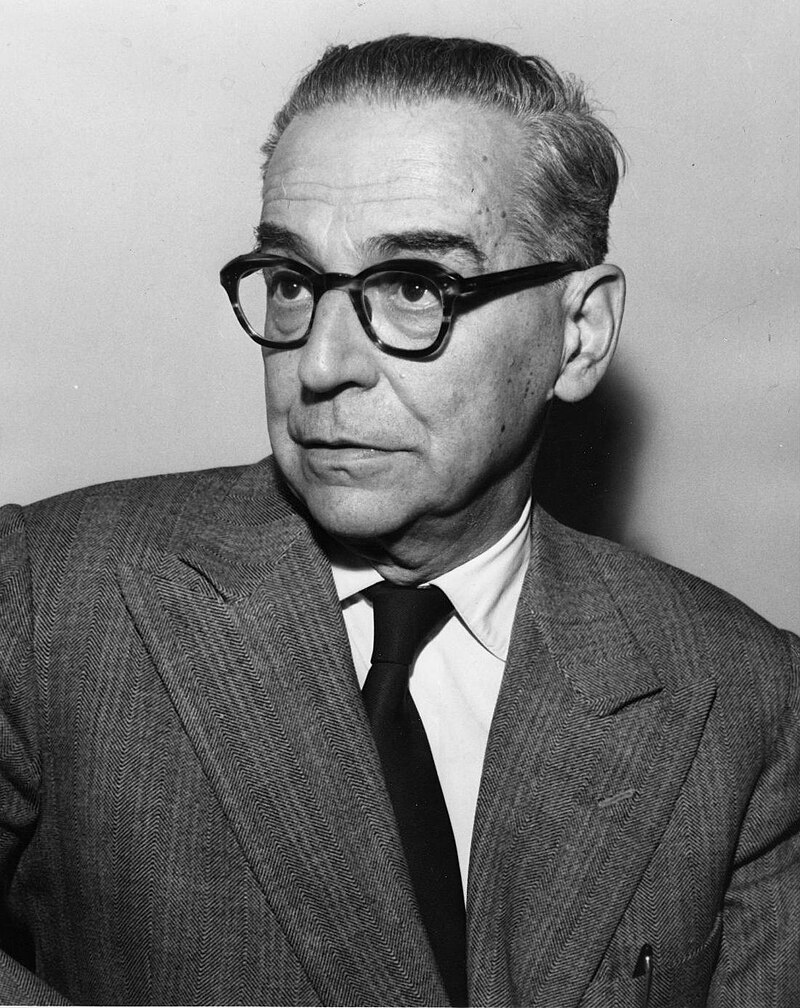
Ivo Andrić, a Yugoslav writer, was awarded the Nobel Prize in Literature in recognition of his literary contributions. The prize committee cited "the epic force with which he has traced themes and depicted human destinies drawn from the history of his country." Andrić's work often explored the complexities of life in Bosnia and Herzegovina, highlighting the region's historical and cultural conflicts.
His most renowned novel, "The Bridge on the Drina," details life around the Mehmed Paša Sokolović Bridge in Višegrad, spanning over four centuries of Ottoman and Austro-Hungarian rule. The novel interweaves personal stories with larger historical events, showcasing Andrić's skill in blending individual destinies with broader social and political themes.
Andrić's literary achievements brought international attention to Yugoslav literature. His recognition by the Nobel committee not only honored his personal accomplishments but also elevated the profile of his country's cultural and historical narratives on the world stage. The award generated increased interest in the Balkans and its tumultuous history, encouraging further exploration and appreciation of its literature and heritage.
This accolade also had a significant impact on the perception of the Nobel Prize itself, as it demonstrated the committee's willingness to acknowledge and celebrate writers from lesser-represented regions. Andrić's award underscored the universal value of literature in bridging cultural divides and illuminated the human condition across different eras and national contexts.
#IvoAndric #NobelPrize #Literature #CulturalHistory #HumanDestinies #EpicForce #Yugoslavia #TheBridgeOnTheDrina #BosniaHerzegovina #MoofLife
Primary Reference
1961 Nobel Prize in Literature - Wikipedia
Explore the Life Moments of
 AI Twin