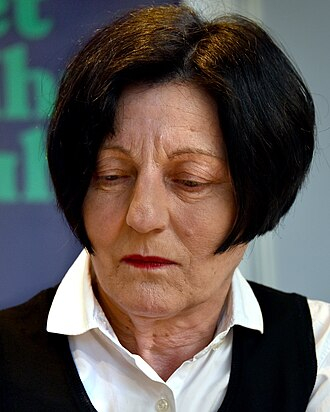
Herta Müller: Nobel Laureate for depicting oppression, survival, and the human condition in literature.
Sweden
Literature
Political
4 min read
Updated By: History Editorial Network (HEN)
Published:
Herta Müller was awarded the Nobel Prize in Literature, recognized for her ability to blend the concentration of poetry with the frankness of prose in her depictions of the landscape of the dispossessed. Born in Romania to a German-speaking minority, Müller faced significant challenges under the oppressive regime of Nicolae Ceausescu. Her work often reflects the themes of oppression, exile, and survival, drawing on her own experiences and the broader political realities of Eastern Europe during the Communist era.
Müller’s literary career began in Romania, but censorship and persecution led to her eventual emigration to Germany. Her novels, poems, and essays have been celebrated for their stark portrayal of life under totalitarian rule and the struggles of individuals marginalized by society. Notable works include "The Land of Green Plums" and "The Hunger Angel," both of which explore the psychological and physical impacts of oppression.
The award brought significant attention to the experiences of ethnic minorities and dissidents in Eastern Europe, highlighting the broader human rights issues within regimes that suppress free expression. It also underscored the power of literature to bear witness to historical atrocities and offer a voice to the voiceless.
By honoring Müller, the Nobel Committee emphasized the importance of literature in revealing the human condition and fostering empathy and understanding. This recognition of a writer from a relatively less publicized cultural and political background has broadened the horizon of global literature.
#MoofLife #NobelPrize #Literature #HertaMüller #HumanRights #Oppression #Exile #EasternEurope
Explore the Life Moments of
 AI Twin