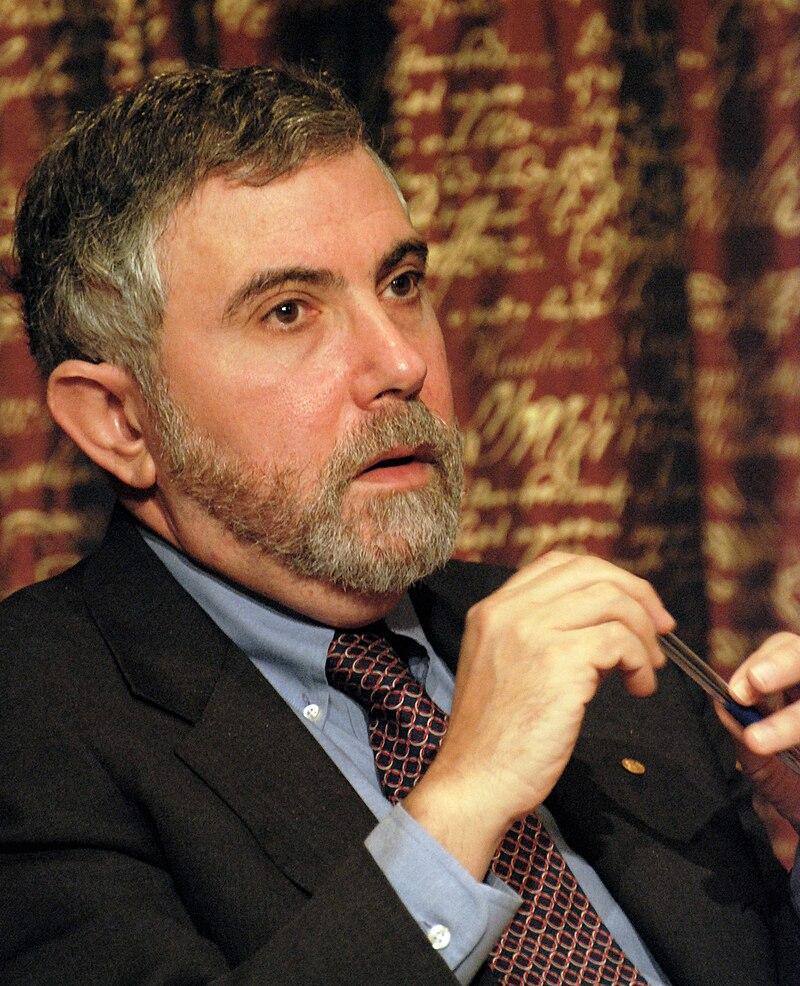
Paul Krugman's Nobel Prize-winning work revolutionized trade and economic geography, reshaping understanding of global markets.
Sweden
Economic Theory
5 min read
Updated By: History Editorial Network (HEN)
Published:
Paul Krugman received the Nobel Prize in Economic Sciences for his contributions to the analysis of trade patterns and the location of economic activity. Krugman is recognized for his influential work that integrates economies of scale and consumer preferences for diverse goods and services, which drives trade and geographical distribution of economic activities.
His groundbreaking New Trade Theory, introduced in the late 20th century, challenged previous assumptions that trade between countries was purely based on comparative advantage. Instead, Krugman demonstrated how trade can also result from economies of scale, where production becomes more efficient as the quantity of output increases. This theory explained trade between countries with similar resources and technologies, where firms could exploit large-scale production and serve global markets.
Additionally, Krugman explored the New Economic Geography, highlighting how economic activity tends to concentrate in certain regions due to factors like transportation costs, market access, and migration. His analysis showed why urban areas become hubs of economic growth, attracting businesses and workers, leading to regional development disparities.
Krugman's insights had practical implications for policymakers, emphasizing the importance of economies of scale and regional policies that address geographical inequalities. His work has been widely cited, influencing both academic literature and practical economic policies around the world. Krugman's contributions helped explain numerous real-world trade phenomena and reshaped economic thought during a period of increasing global economic integration.
Krugman's Nobel Prize highlights the importance of understanding the complexities of global trade and regional economic dynamics, reinforcing the idea that modern economies function as interconnected systems influenced by scale, preference, and location factors.
#MoofLife #NobelPrize #EconomicSciences #TradeTheory #EconomicGeography
Primary Reference
The Prize in Economic Sciences 2008 - Press release - NobelPrize.org

Explore the Life Moments of
 AI Twin