Nobel Prize Winners Ohlin and Meade Revolutionize International Economics Theory and Policy
Sweden
Economic Theory
Global Trade
4 min read
Updated By: History Editorial Network (HEN)
Published:
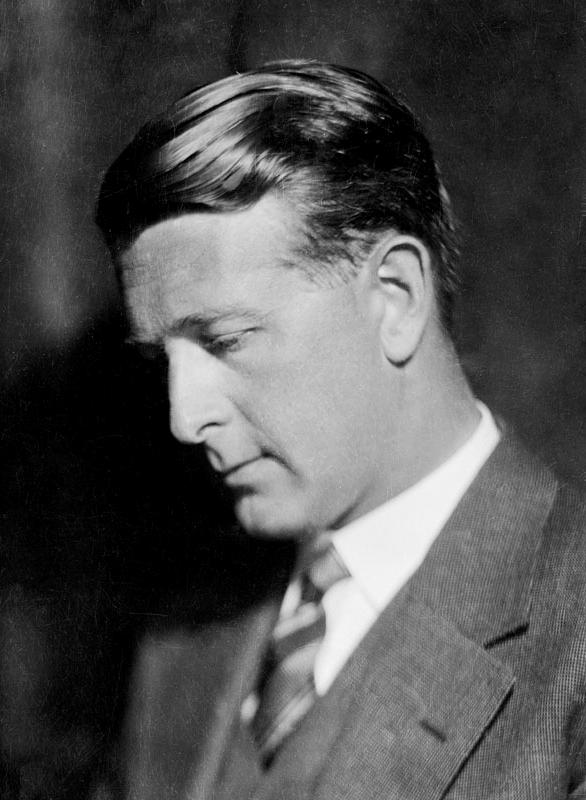
Bertil Ohlin and James E. Meade were jointly recognized with the Nobel Prize in Economic Sciences for their pioneering contributions to the theory of international trade and international capital movements. Bertil Ohlin's work built on his predecessor Eli Heckscher's theories, leading to the Heckscher-Ohlin model. This model became a cornerstone in economics, explaining how countries engage in international trade driven by their varying factors of production. Ohlin's analysis provided crucial insights into the benefits of trade and its effects on the distribution of income within trading nations.
James E. Meade significantly influenced the field through his work on the balance of payments and the theory of international economic policy. His research provided a framework for understanding how economies interact, considering factors such as exchange rates and capital flows. Meade's analysis of the impact of policy measures on an open economy's internal and external balance has been instrumental in forming modern economic policy.
The combined efforts of Ohlin and Meade have had a profound and lasting impact on economic theory and policy. Their theoretical frameworks have helped economists and policymakers better understand trade dynamics, guiding decisions affecting global economic relations. This acknowledgment through the Nobel Prize underscores the importance of their work in shaping the understanding of international economics.
#NobelPrize #EconomicSciences #InternationalTrade #EconomicTheory #CapitalMovements #MoofLife
Primary Reference
Brilliant minds: the Nobel Prize in Economics | Treasury.gov.au
Explore the Life Moments of
 AI Twin