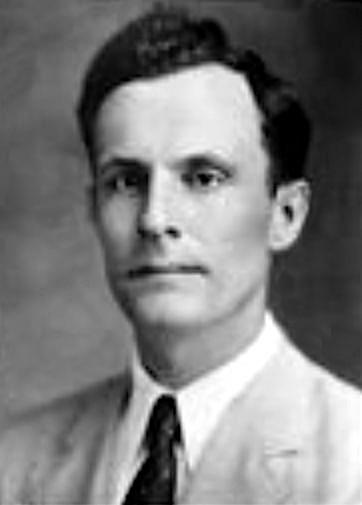
Nobel laureates Schultz and Lewis revolutionize economic development theories with human capital and dual-sector models.
Sweden
Science
Economic Downturn
5 min read
Updated By: History Editorial Network (HEN)
Published:
The Nobel Prize in Economic Sciences was awarded jointly to Theodore W. Schultz and Sir Arthur Lewis for their pioneering research into economic development, with particular focus on the problems faced by developing countries. Theodore W. Schultz, a professor at the University of Chicago, contributed significantly to the field with his human capital theory, emphasizing the value of investing in education and skills for economic growth. His research highlighted how improvements in education, health, and agricultural practices could significantly enhance productivity and economic outcomes in less developed nations.
Sir Arthur Lewis, hailing from Saint Lucia and later becoming a professor at Princeton University, was recognized for his work on dual-sector models. His research explained how the interaction between the traditional agricultural sector and the modern industrial sector could drive development in emerging economies. Lewis's theory illustrated the potential for labor transfer from less productive rural areas to emerging industries in urban centers, thus spurring economic growth and development.
Combined, Schultz and Lewis's work laid a foundational understanding of how strategic investments in human capital and structural transformation could facilitate economic development. Their theories influenced policies on international aid, education, and economic reform, encouraging a greater focus on developmental economics in policy-making circles globally.
Statistics from their research demonstrated the tangible benefits of investing in human capital. For instance, Schultz's studies showed that increased educational attainment was closely linked to higher incomes and economic mobility. Lewis's models provided a framework for understanding the rapid industrial growth seen in countries like South Korea and Taiwan, showcasing the practical applicability of their theories.
These contributions have had lasting impacts, guiding economic policies and development strategies well into the current century. Schultz and Lewis's work underscored the importance of improving human resources and addressing structural economic issues as critical steps towards sustainable development in less affluent regions.
#NobelPrize #EconomicSciences #EconomicDevelopment #HumanCapital #StructuralTransformation #DevelopingCountries #MoofLife
Primary Reference
W. Arthur Lewis - Wikipedia
Explore the Life Moments of
 AI Twin