The NFL Expands Playoffs: Introduction of Additional Wild Card Teams
Raymond James Stadium, Tampa, Florida, United States
Sports
NFL
Playoffs
10 min read
Updated By: History Editorial Network (HEN)
Published:
Updated:
In a significant shift that reshaped the postseason landscape of professional football, the NFL officially expanded its playoff format in 2020, increasing the number of teams from 12 to 14 by adding one wild card team per conference. This marked the first major change to the NFL postseason structure since 1990, when the league expanded from 10 to 12 teams.
The move was approved by team owners on March 31, 2020, as part of the new Collective Bargaining Agreement (CBA) signed earlier that month between the NFL and the NFL Players Association (NFLPA). The expanded playoffs were implemented immediately for the 2020 season, despite the challenges posed by the COVID-19 pandemic.
The New Playoff Format
Under the new structure:
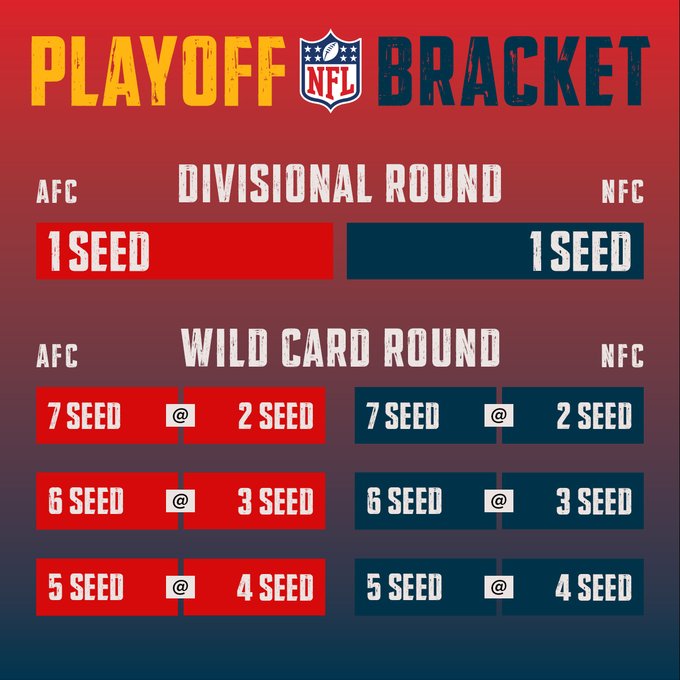
Each conference (AFC and NFC) sends seven teams to the playoffs: four division winners and three wild card teams (up from two).
Only the top seed in each conference receives a first-round bye, as opposed to the previous format where both the No. 1 and No. 2 seeds got a week off.
The Wild Card Round now features three games per conference (six total), played across a Saturday-Sunday tripleheader, and in future seasons, occasionally a Monday night game.
This format change increased the total number of postseason games from 11 to 13, creating more opportunities for teams to qualify and generating additional broadcast inventory and revenue for the league.
Why the Expansion?
The league cited multiple motivations:
Increased competitiveness: With more teams in the hunt for a playoff spot, the final weeks of the regular season became more meaningful for more franchises.
Revenue growth: The NFL gained the ability to sell more high-stakes games to broadcast partners. In fact, the two additional wild card games were a key factor in the league’s negotiations for its future media rights deals.
Fan engagement: More playoff spots meant more fanbases remained invested late into the season, keeping TV ratings strong across a broader geographic spread.
Commissioner Roger Goodell stated at the time: “We believe this is a win for fans, a win for players, and a win for the game overall.”
First Year Impact – The 2020 Season
The expanded playoff format made an immediate impact. During the 2020 season, the newly added wild card slots were claimed by the:
Indianapolis Colts (AFC), who finished 11–5,
Chicago Bears (NFC), who sneaked in at 8–8.
Neither of the two No. 7 seeds advanced past the first round, but the added games increased excitement and TV viewership. The NFL branded the opening weekend as “Super Wild Card Weekend”, a name that stuck, and featured six games over two days (and in later years, three days).
Player and Public Reaction
Reactions were mixed among players. Some appreciated the additional chances to make the postseason and showcase their talent, while others were concerned about diluting the quality of playoff teams or placing too much emphasis on regular-season records.
Fans, however, largely embraced the change. The extra wild card games brought drama, upsets, and expanded postseason excitement. The added urgency for the No. 1 seed, now the only team with a bye, also reshaped how teams approached the final stretch of the regular season.
Long-Term Implications
The expanded playoff format has since become a permanent fixture, and it has subtly changed team strategies — both in roster building and in-season management. With more wild card spots, 9–8 or even 8–9 teams have hope, leading to more teams staying competitive later into the season.
Additionally, the emphasis on the top seed has led to tighter battles at the top of each conference. In several seasons since 2020, playoff seeding has come down to the final week, adding a layer of intensity and intrigue.
From a business standpoint, the NFL has benefitted significantly. Broadcast rights for Super Wild Card Weekend are now a premium package, shared among CBS, NBC, ESPN, ABC, and most recently, streaming platforms like Peacock and Amazon. The league has further capitalized on scheduling flexibility, sometimes placing marquee games in prime-time or exclusive streaming slots to maximize viewership and revenue.
The 2020 playoff expansion was more than a simple format change — it was a strategic pivot designed to fuel growth in a rapidly evolving sports media environment. By opening the door to more teams, the NFL reinforced its dominance as a premier entertainment entity while preserving the competitive fire that defines its postseason.
#mooflife
#MomentOfLife
#Nfl
#Playoffs
#WildCardTeams
#FootballExpansion
#SportsCompetition
Primary Reference
2020–21 NFL playoffs

Explore the Life Moments of
 AI Twin