NFL Playoffs Expansion with Wild Card Teams
Orlando, Florida, United States
Sports
NFL
Playoffs
4 min read
Updated By: History Editorial Network (HEN)
Published:
Updated:
The expansion of the NFL playoffs in 1990 marked a pivotal change in the league's postseason structure. Prior to this expansion, the playoffs consisted of a more limited number of teams, which restricted opportunities for clubs to compete for the championship. The addition of two wild card teams, one from each conference, allowed for a broader representation of teams that performed well during the regular season but did not win their respective divisions. This change aimed to enhance competitiveness and maintain fan engagement by providing more teams with a chance to vie for the Super Bowl title. The wild card teams are determined based on their win-loss records, and this system has led to several instances where lower-seeded teams have made deep playoff runs, showcasing the unpredictability and excitement of the postseason.
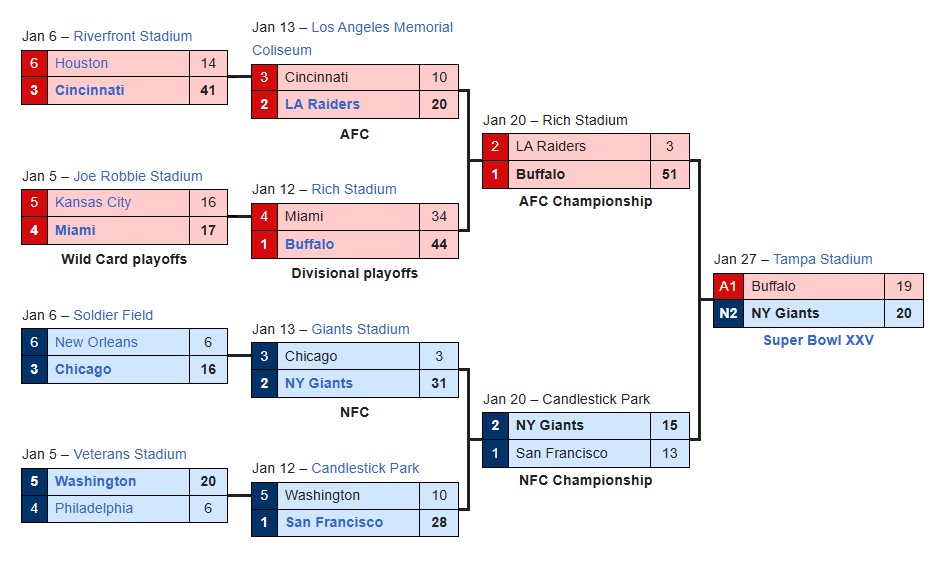
The NFL playoff format expanded to 12 teams with the addition of a third wild card team to each conference, a change that was implemented for the 1990 NFL season and the subsequent playoffs that began on January 5, 1991. This decision was approved by NFL owners at the annual league meeting in Orlando, Florida, on March 12, 1990.
The expanded format established the following structure:
• Three division champions per conference were seeded 1–3.
• Three wild-card qualifiers were seeded 4, 5, and 6 within each conference.
• The top two seeds in each conference received a first-round bye.
• The No. 3 seed hosted the No. 6 seed, and the No. 4 seed hosted the No. 5 seed during the Wild Card round.
• This 12-team playoff format remained in place until the playoffs expanded to 14 teams in 2020.
#mooflife
#MomentOfLife
#NflPlayoffs
#WildCardTeams
#PlayoffExpansion
#FootballHistory
#SportsCompetitiveness
Primary Reference
1990–91 NFL playoffs

Explore the Life Moments of
 AI Twin