Waterfront Strikes in Auckland and Wellington
New Zealand
Political
Economic Downturn
3 min read
Updated By: History Editorial Network (HEN)
Published:
Updated:
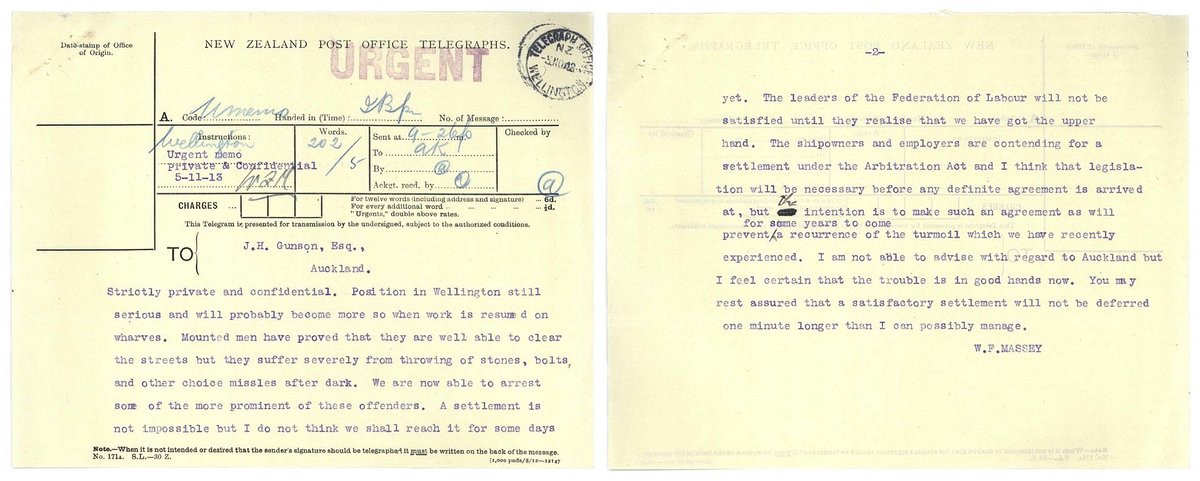
During a period of labor unrest, waterfront strikes erupted in Auckland and Wellington. Workers were protesting poor working conditions, low wages, and lack of job security. The strikes were supported by various trade unions, leading to a significant disruption in the vital shipping industry.
The strikes had a profound impact on the economy, causing delays in cargo handling and shipping operations. Businesses faced challenges with importing and exporting goods, resulting in financial losses. The government intervened, deploying troops to maintain order and break the strike. This led to violent clashes between striking workers and authorities, resulting in injuries and arrests.
The strikes highlighted the growing tension between labor and management in New Zealand, sparking debates about workers' rights and the role of unions. The events eventually led to improvements in labor laws and working conditions for waterfront workers. The strikes also served as a catalyst for greater solidarity among workers and paved the way for future labor movements in the country.
Today, the waterfront strikes in Auckland and Wellington are remembered as a pivotal moment in New Zealand's labor history, symbolizing the struggle for fair treatment and social justice. The legacy of the strikes continues to inspire workers to fight for their rights and stand up against injustice. #LaborRights #WorkersSolidarity #NewZealandHistory.

Explore the Life Moments of
 AI Twin