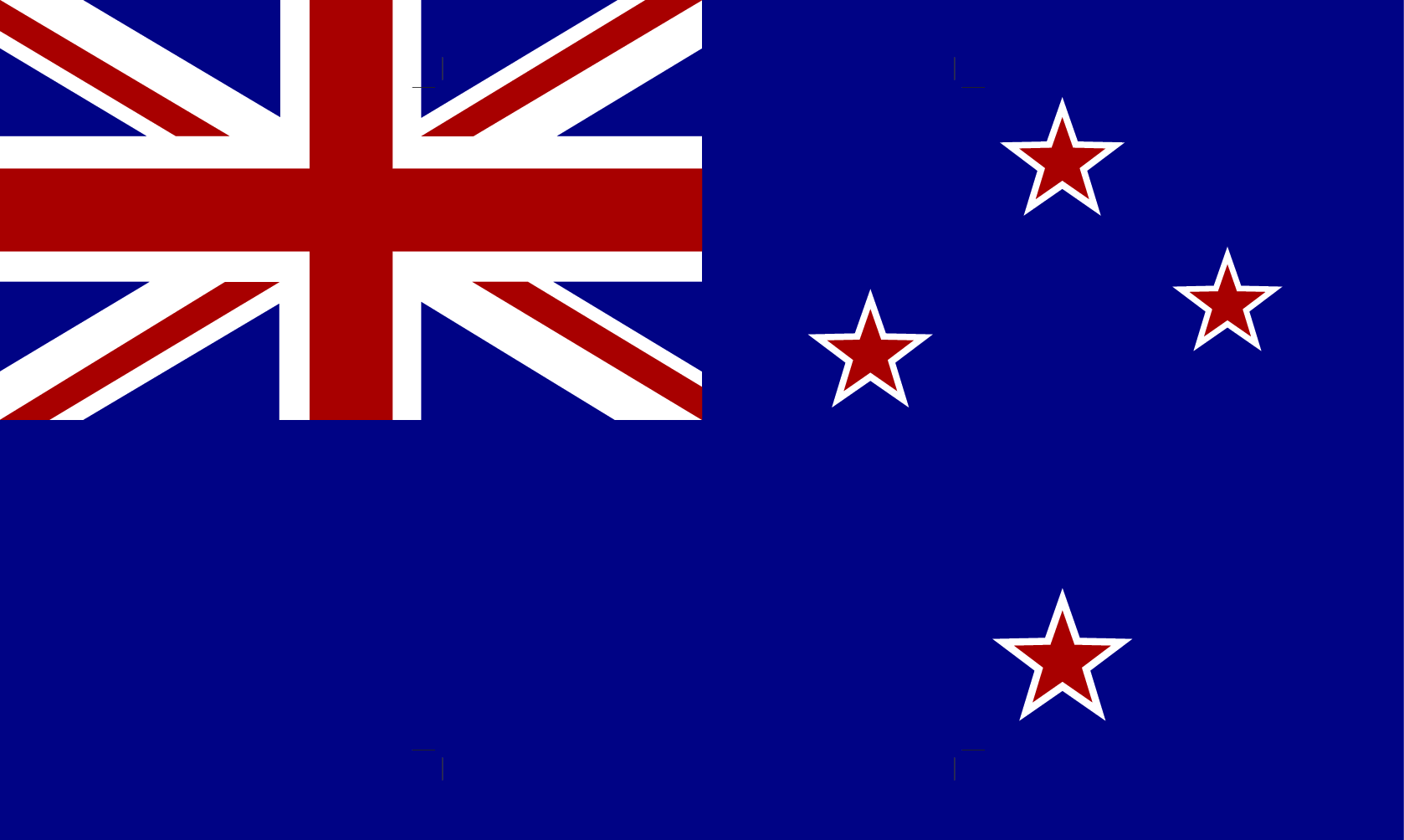
United Tribes flag adopted by northern chiefs at Busby's suggestion.
New Zealand
Cultural Significance
4 min read
Updated By: History Editorial Network (HEN)
Published:
In March 1834, approximately 25 northern chiefs in New Zealand, on the recommendation of British Resident James Busby, adopted the United Tribes of New Zealand flag. This event marked a significant step towards unity among the Maori tribes in the country.
Before the adoption of the flag, New Zealand was a land of various Maori tribes, each with its own traditions and territories. The idea behind the United Tribes flag was to create a sense of cohesion and representation for the Maori people in dealings with European settlers and other nations.
James Busby, who played a key role in the establishment of the flag, saw it as a way to provide the Maori with a collective voice and identity. The flag featured a blue field with a red cross and a white stars, symbolizing unity among the tribes under the protection of the British Crown.
The adoption of the United Tribes of New Zealand flag had a lasting impact on the country's history. It became a symbol of Maori sovereignty and unity, and was later recognized by the British government as the flag of New Zealand. The flag also played a role in the signing of the Treaty of Waitangi in 1840, which formalized the relationship between the Maori people and the British Crown.
Overall, the adoption of the United Tribes of New Zealand flag in March 1834 was a significant moment in the history of New Zealand, representing a step towards unity and collective representation for the Maori tribes. The flag continues to hold cultural and historical significance in New Zealand today. #NewZealandHistory #MaoriUnity #TreatyOfWaitangi
Primary Reference
United Tribes flag | NZ History
Explore the Life Moments of
 AI Twin