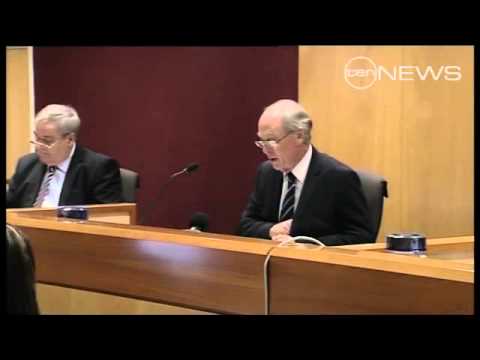
Pike River mine disaster is subject of a Royal Commission report.
New Zealand
Political
WorkplaceSafety
4 min read
Updated By: History Editorial Network (HEN)
Published:
Updated:
After months of thorough investigation, the Royal Commission into the Pike River mine disaster delivered their report. The tragic incident that unfolded in New Zealand's Pike River mine had shaken the nation to its core, claiming the lives of 29 miners. The commission's findings shed light on the series of events leading to the explosion, pointing to a lack of proper safety measures and negligence on the part of the mining company.
The report highlighted several key factors that contributed to the disaster, including inadequate ventilation, a build-up of methane gas, and a failure to implement effective safety protocols. It also criticized the regulatory bodies responsible for overseeing the mine, pointing out their failure to enforce regulations and hold the company accountable.
The impact of the Royal Commission's report was profound. It brought a sense of closure to the families of the victims, who had been awaiting answers and accountability for the loss of their loved ones. The report sparked a national conversation about workplace safety and the responsibilities of companies to ensure the well-being of their employees.
In the aftermath of the report, there were calls for stronger regulations and oversight in the mining industry to prevent similar tragedies from occurring in the future. The Pike River mine disaster served as a stark reminder of the importance of prioritizing safety above all else.
As New Zealand reflected on the findings of the Royal Commission, it became clear that the lessons learned from the Pike River mine disaster would shape future practices and policies in the mining sector. The report was a somber reminder of the cost of negligence and the need for stringent safety measures to protect workers.
#PikeRiver #MineDisaster #WorkplaceSafety #RoyalCommission #NewZealand
Explore the Life Moments of
 AI Twin