Waterfront Dispute Leads to State of Emergency
New Zealand
Political
Labor Relations
4 min read
Updated By: History Editorial Network (HEN)
Published:
Updated:
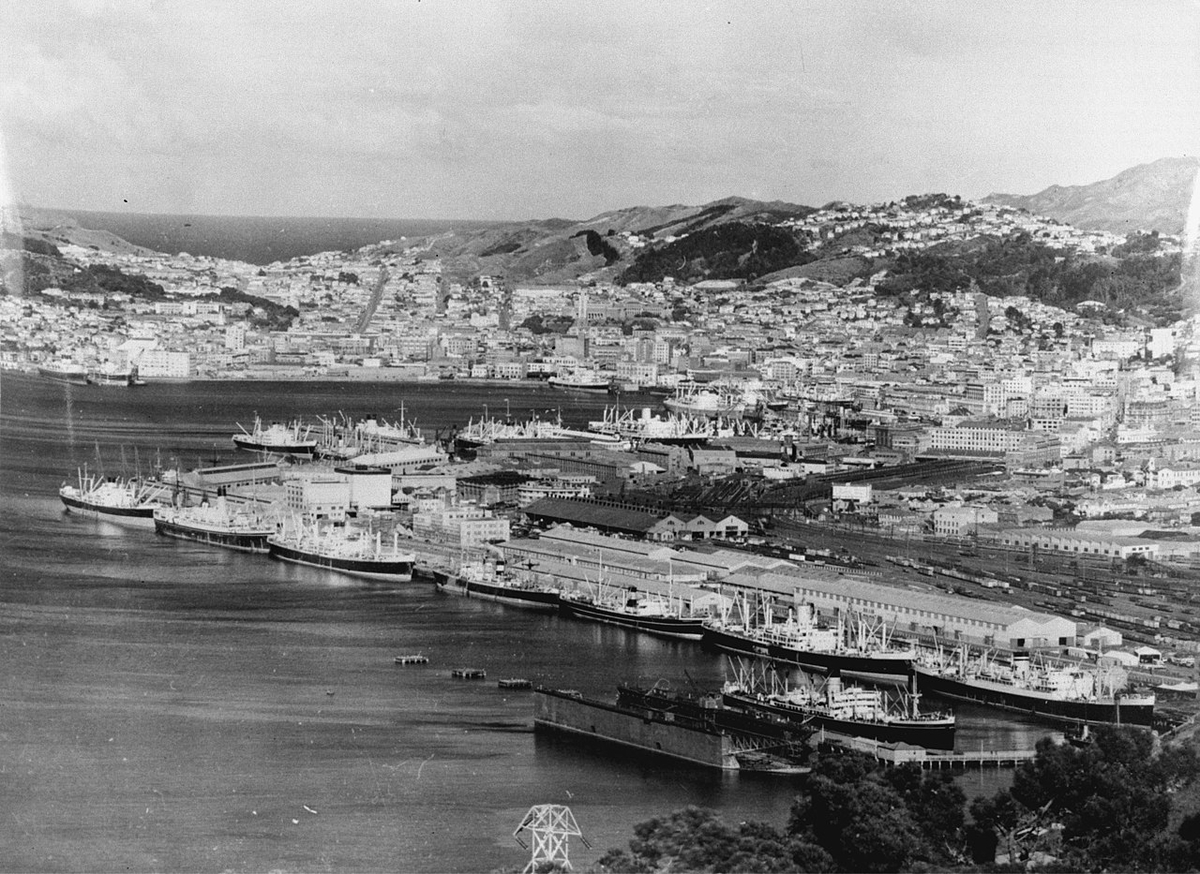
During the event, a prolonged waterfront dispute in New Zealand led to a state of emergency being proclaimed. The conflict arose between waterside workers and the government over union rights and better working conditions. The waterside workers, represented by the Waterside Workers' Union, demanded improved pay and job security, while the government sought to suppress union activities to maintain control over the workforce.
As tensions escalated, strikes and protests paralyzed the country's ports, causing significant disruptions to maritime trade and the economy. The government's decision to declare a state of emergency allowed for the deployment of police and military forces to intervene and break the strike. This move resulted in violent clashes between authorities and striking workers, leading to injuries and arrests.
The prolonged dispute and the subsequent state of emergency had far-reaching consequences. It highlighted the power struggle between labor unions fighting for workers' rights and governments seeking to maintain order and economic stability. The event also underscored the challenges faced by workers in achieving fair wages and working conditions in a highly industrialized society.
Ultimately, the resolution of the waterfront dispute came through negotiations between the Waterside Workers' Union and the government, leading to compromises on both sides. The event left a lasting impact on New Zealand's labor relations and paved the way for future reforms in workplace policies and industrial relations.
#NewZealandHistory #LaborRights #StateOfEmergency #UnionConflict
Explore the Life Moments of
 AI Twin