Musket Wars Escalate in Southern Iwi
New Zealand
4 min read
Updated By: History Editorial Network (HEN)
Published:
Updated:
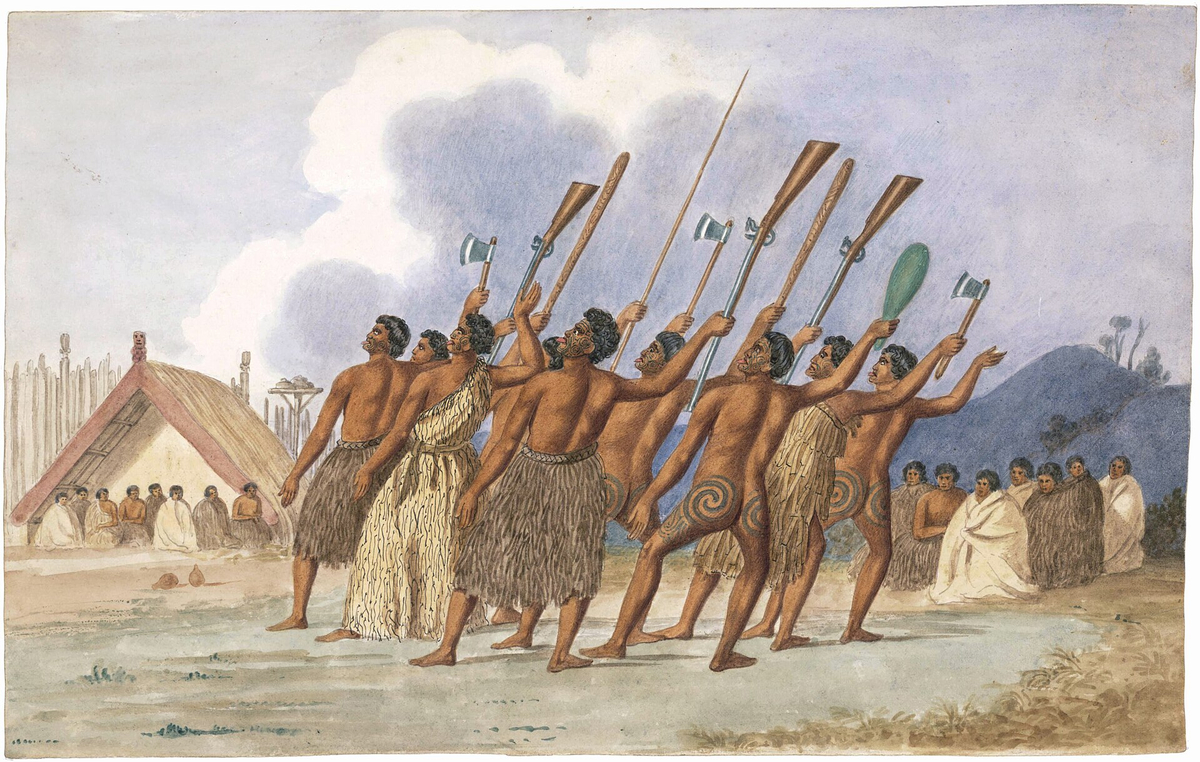
In 1821, Hongi Hika and Te Morenga continued the musket wars by launching attacks on southern iwi in New Zealand. These conflicts were fueled by the introduction of muskets to Maori warfare, resulting in increased devastation and casualties.
Hongi Hika, a prominent Ngapuhi chief, saw the strategic advantage of using muskets in warfare and sought to expand his influence by utilizing this new technology. Te Morenga, another influential chief, joined forces with Hongi Hika to assert their dominance over other iwi in the southern regions.
The musket wars brought about significant changes in the balance of power among Maori tribes. The introduction of firearms intensified the battles and led to a higher death toll than traditional forms of combat. The southern iwi faced formidable opponents in Hongi Hika and Te Morenga, who were relentless in their pursuit of territorial control.
The continuation of the musket wars by Hongi Hika and Te Morenga had lasting repercussions on the social and political landscape of New Zealand. Many iwi were forced to cede territory or form alliances to defend against the superior firepower of their adversaries. The conflicts also resulted in the displacement of populations and the loss of traditional lands.
Despite the devastating impact of the musket wars, they also played a role in shaping the future of New Zealand. The conflicts paved the way for the eventual colonization of the country by European settlers, as Maori resistance was weakened by internal divisions and the loss of resources.
#MaoriHistory #MusketWars #NewZealandConflict
Primary Reference
Warfare from the north – Te Ara Encyclopedia of New Zealand
Explore the Life Moments of
 AI Twin