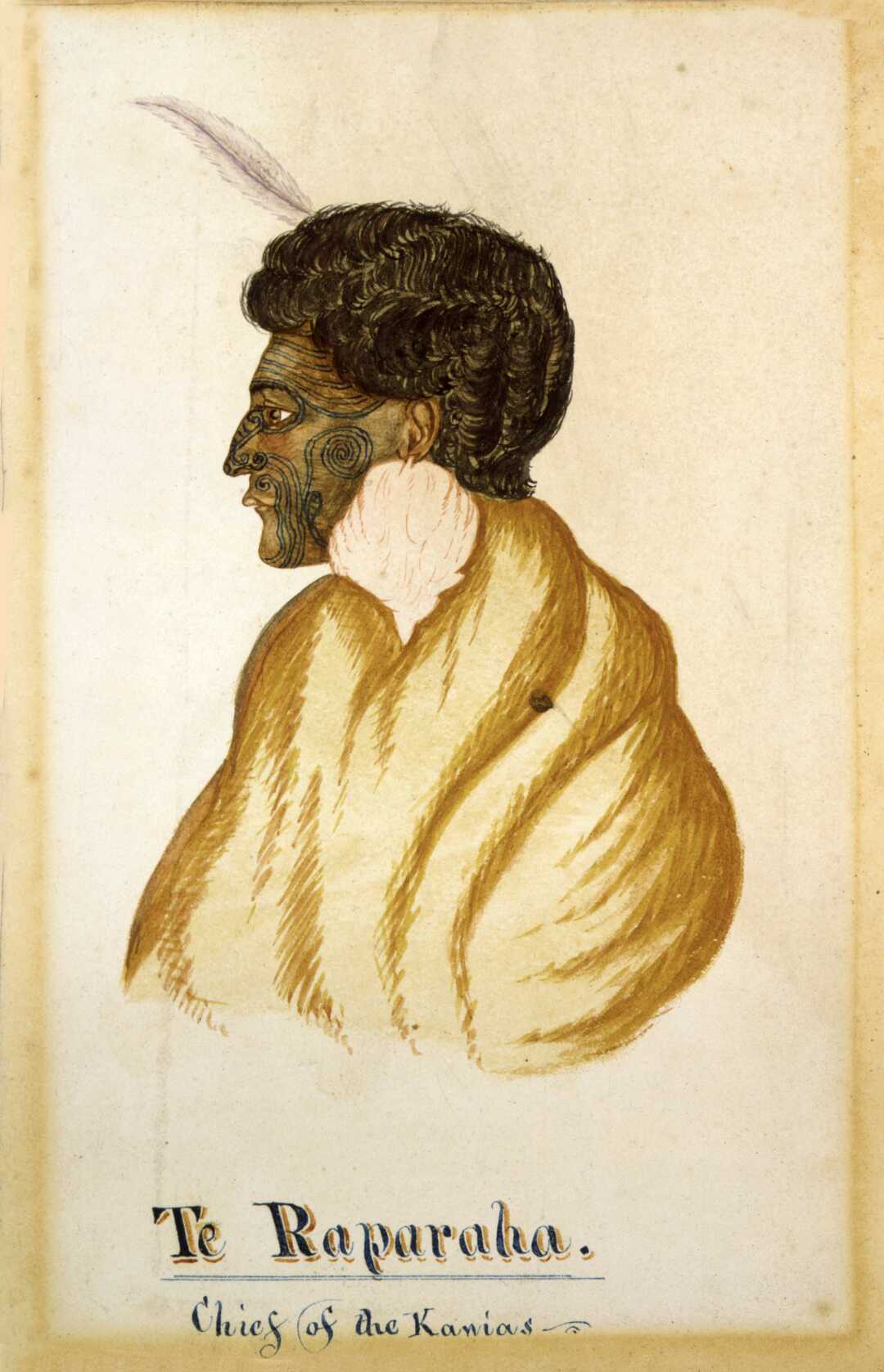
Māori King proposed by Te Rauparaha and Te Whiwhi in history.
New Zealand
IndigenousLeadership
4 min read
Updated By: History Editorial Network (HEN)
Published:
In 1853, a significant event transpired when Tāmihana Te Rauparaha and Hēnare Mātene Te Whiwhi discussed the concept of establishing a Māori King. Tāmihana Te Rauparaha, the son of renowned leader Te Rauparaha, played a pivotal role in advocating for a unified Māori leadership. Collaborating with Hēnare Mātene Te Whiwhi, a prominent Ngāti Raukawa chief, they explored the idea of appointing a Māori monarch to unite and empower various Māori tribes amidst increasing European influence in New Zealand.
Tāmihana Te Rauparaha and Hēnare Mātene Te Whiwhi sought to counter the growing threat of land loss and cultural erosion faced by Māori communities. They believed that a Māori King could serve as a symbol of unity, offering a platform for collective decision-making and representation against colonial authorities. This vision aimed to preserve Māori autonomy and cultural traditions while navigating the challenges of European colonization.
The discussions led by Tāmihana Te Rauparaha and Hēnare Mātene Te Whiwhi laid the foundation for the establishment of the Māori King Movement in subsequent years. Their efforts culminated in the crowning of the first Māori King, Pōtatau Te Wherowhero, in 1858, solidifying the concept of a Māori monarch as a unifying force for Māori tribes nationwide.
This event marked a significant turning point in Māori history, showcasing proactive efforts to navigate the complexities of colonialism and preserve indigenous identity. The idea of a Māori King continues to resonate today, symbolizing resilience, unity, and cultural pride within Māori communities.
#MāoriKing #Unity #Resilience #IndigenousLeadership #NewZealandHistory
Primary Reference
Kiingitanga | Story | DigitalNZ

Explore the Life Moments of
 AI Twin