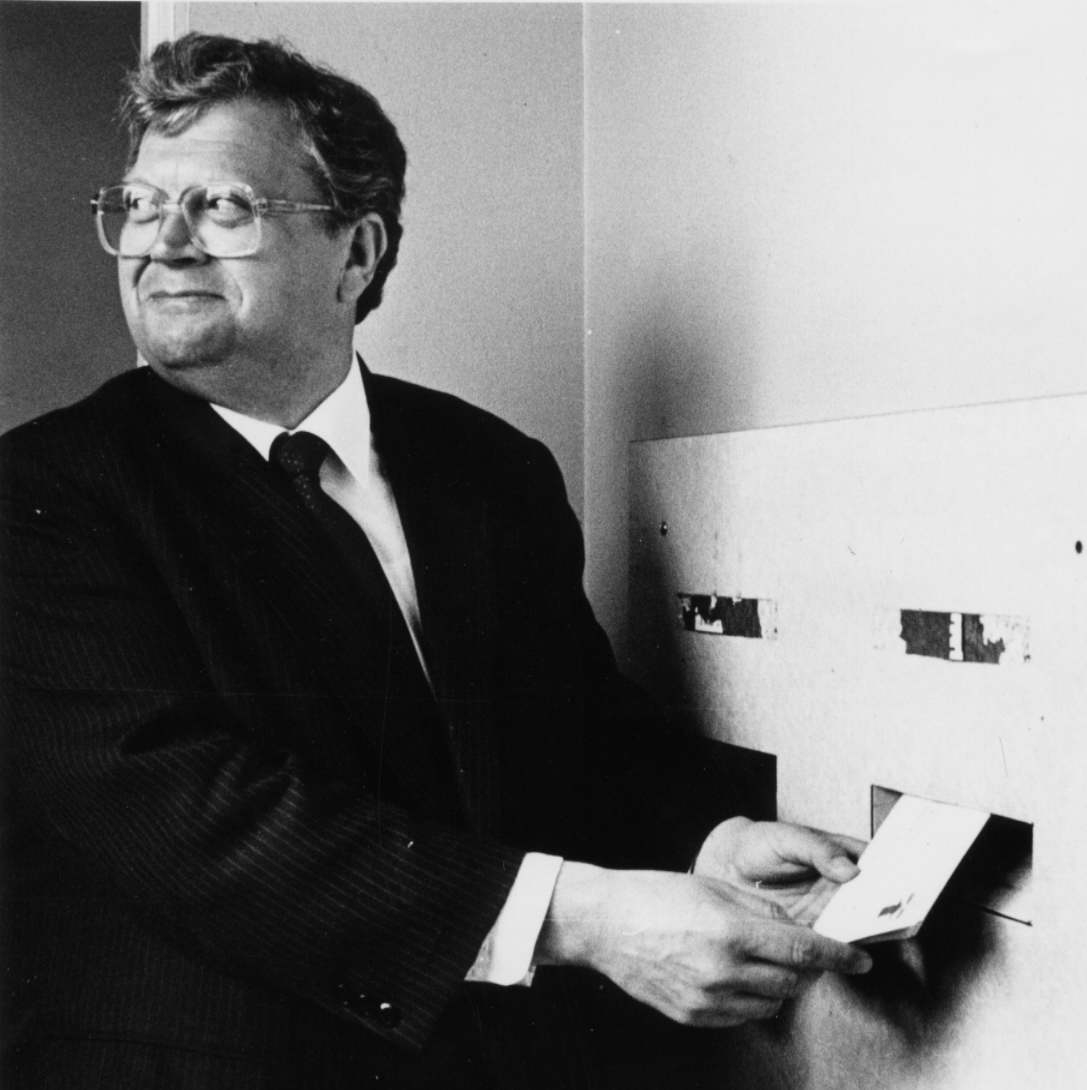
Labour's Victory under David Lange
New Zealand
Political
4 min read
Updated By: History Editorial Network (HEN)
Published:
In July 14, 1984, the New Zealand General Election resulted in a decisive victory for the Labour Party, led by David Lange. The election marked a significant shift in the country's political landscape.
Under Lange's leadership, the Labour Party campaigned on a platform of substantial policy reforms, including a commitment to anti-nuclear legislation that would strain relations with the United States. This stance resonated with voters who were seeking change after years of conservative rule.
The outcome of the election saw Labour securing a majority government, ending the long-standing rule of the National Party. David Lange was sworn in as the Prime Minister, ushering in a period of significant reform and progressive policies.
The victory under Lange's leadership brought about a wave of changes in New Zealand, including the passage of the Nuclear-Free Zone, Disarmament, and Arms Control Act 1987, which declared the country nuclear-free. The government also implemented economic reforms known as Rogernomics, aimed at deregulation and modernization.
The election win by Labour under David Lange not only reshaped New Zealand's domestic and foreign policies but also signaled a departure from traditional politics. The government's bold initiatives and commitment to change left a lasting impact on the country's socio-economic landscape.
This historic event marked a turning point in New Zealand's history, symbolizing a new era of progressive governance and reform. The election of the Labour Party under David Lange was a pivotal moment that set the stage for the country's political direction in the years to come.
#NewZealandPolitics #DavidLange #ProgressiveReforms
Explore the Life Moments of
 AI Twin