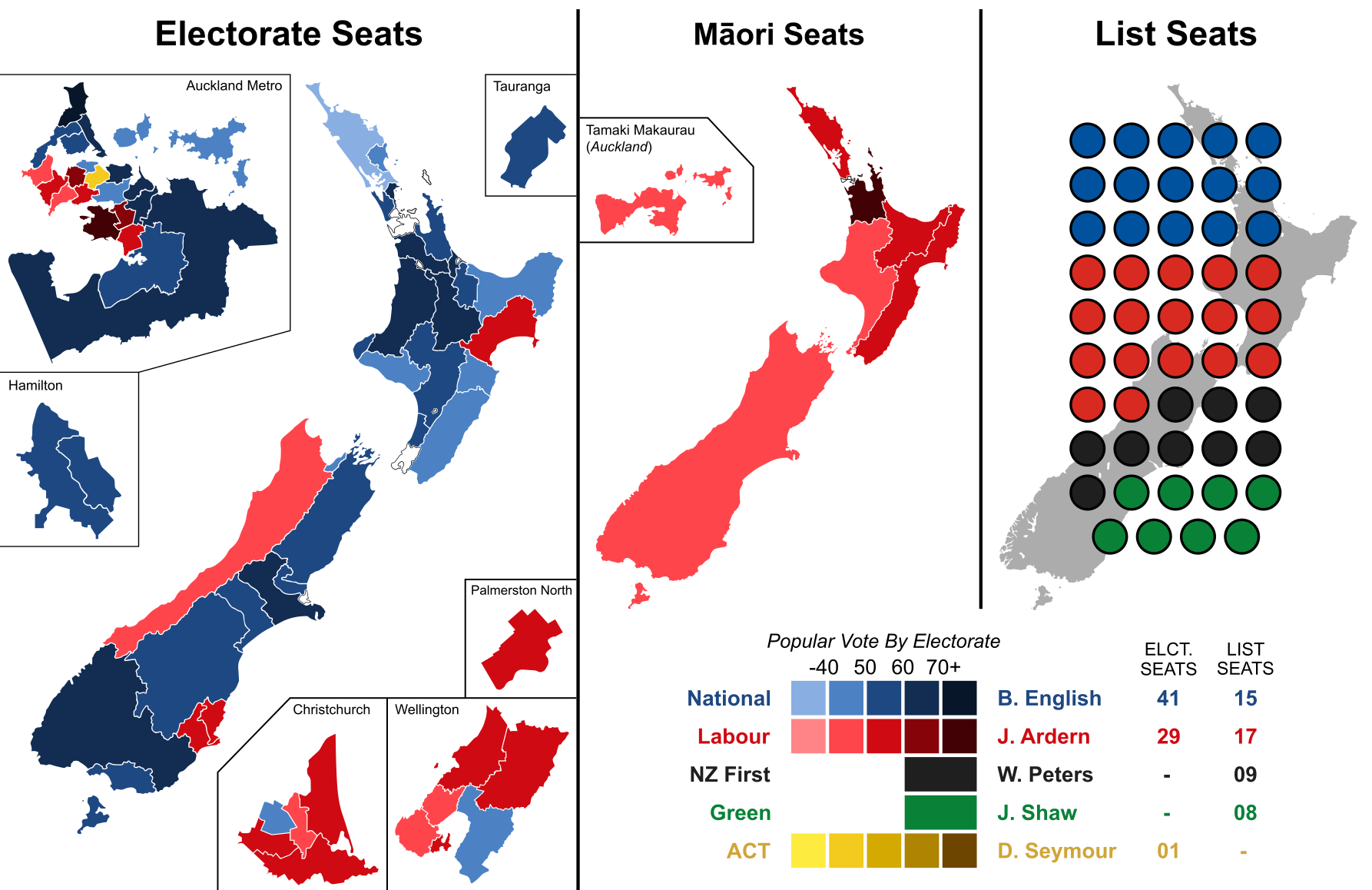
General Election: National Party Wins Plurality, Labour Gains Seats
New Zealand
Political
4 min read
Updated By: History Editorial Network (HEN)
Published:
In the general election in New Zealand, the National Party emerged victorious by winning a plurality of seats in Parliament. The Labour Party made significant gains, increasing their number of seats substantially.
The lead-up to the election was marked by a keen focus on key policy issues such as the economy, housing affordability, and healthcare. The National Party, led by their incumbent Prime Minister, ran on a platform emphasizing their record of economic growth and stability. Meanwhile, the Labour Party, under new leadership, campaigned on promises of addressing inequality and investing in social programs.
On election day, voter turnout was high, reflecting the strong engagement of the electorate. The results showed the National Party securing the most seats, although falling short of an outright majority. The Labour Party's increase in seats was seen as a significant shift in New Zealand's political landscape, signaling changing preferences among voters.
The outcome of the election had implications for the direction of government policies in the coming term. With neither party holding a majority, coalition-building and negotiations became crucial in determining the future governing arrangement. The National Party, as the leading party, faced the task of forming a coalition or seeking support from other parties to govern effectively.
Overall, the general election marked a moment of transition and potential realignment in New Zealand politics. The National Party's victory with a plurality and the Labour Party's increased representation reflected the evolving priorities and preferences of the electorate.
#NewZealand #GeneralElection #NationalParty #LabourParty #CoalitionBuilding #PublicPolicy

Explore the Life Moments of
 AI Twin