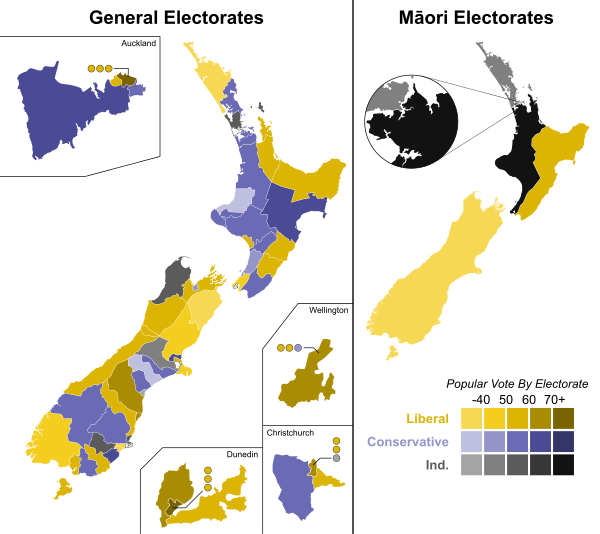
First one-man-one-vote election in New Zealand's 1890 general election
New Zealand
Political
4 min read
Updated By: History Editorial Network (HEN)
Published:
Updated:
In the 1890 New Zealand general election, the country witnessed a significant shift in its electoral system, transitioning to a one-man-one-vote basis. This change was a pivotal moment in New Zealand's democratic history, marking a departure from previous electoral practices that favored certain segments of society.
Prior to this election, New Zealand's voting system was based on a complex property and income criteria, which limited the participation of a large portion of the population. The introduction of the one-man-one-vote system aimed to ensure equal representation and give all citizens an equal voice in the political process.
The impact of this electoral reform was profound, resulting in a more inclusive and representative democracy. With every eligible citizen now granted the right to vote, regardless of their wealth or social status, the election marked a significant step towards a more equitable society.
The 1890 New Zealand general election saw increased voter turnout and a diverse range of candidates vying for political office. The outcomes of the election reflected a broader cross-section of New Zealand society, with a more diverse group of elected representatives.
This pivotal moment in New Zealand's history paved the way for future electoral reforms and set the stage for a more inclusive and participatory democracy. The adoption of the one-man-one-vote principle laid the foundation for a more equitable electoral system that continues to shape New Zealand's political landscape to this day.
#NewZealand #Democracy #ElectoralReform #Inclusivity
Explore the Life Moments of
 AI Twin