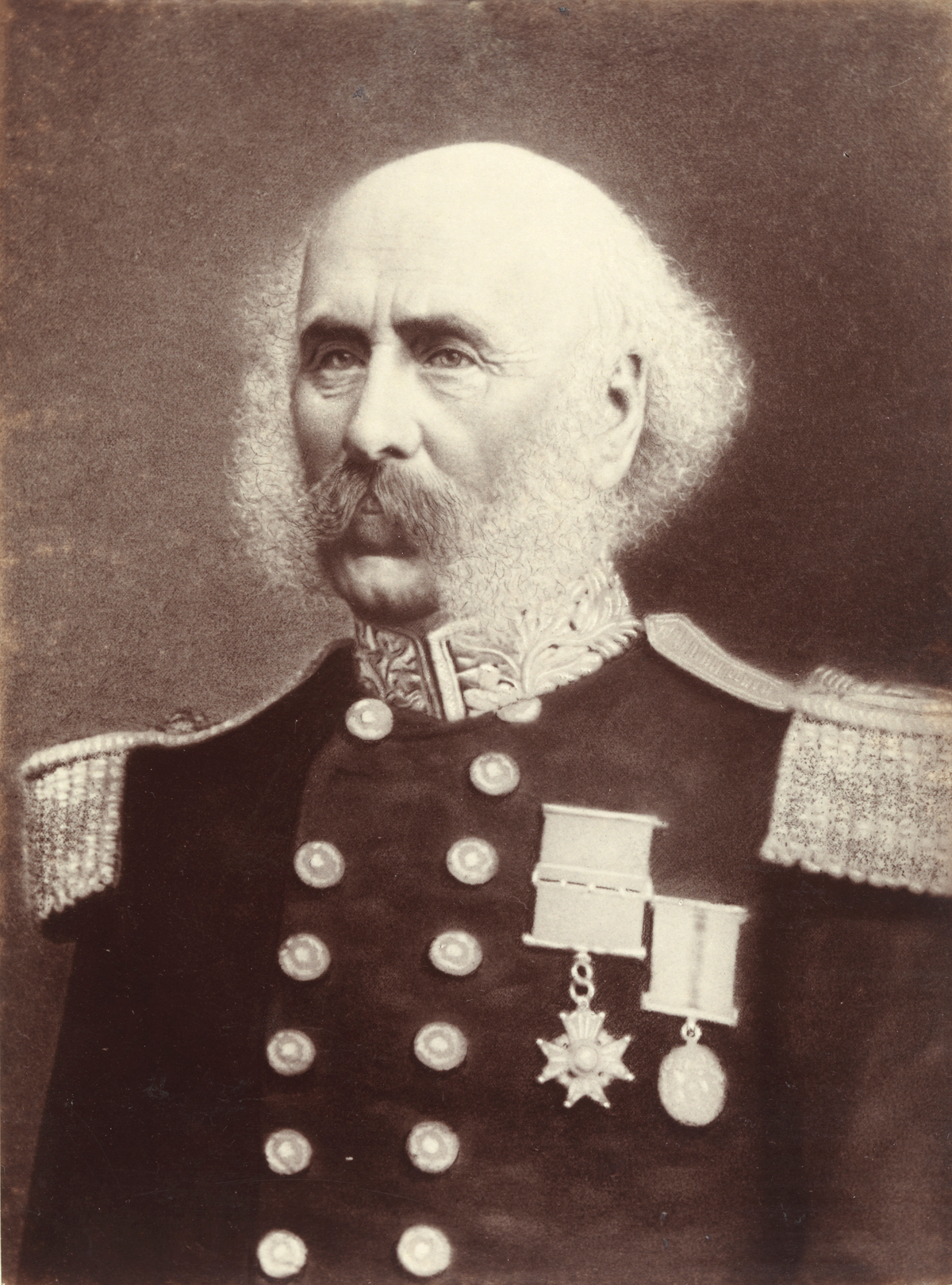
Arrival of Governor Thomas Gore Browne
New Zealand
Political
4 min read
Updated By: History Editorial Network (HEN)
Published:
Updated:
Governor Thomas Gore Browne was appointed to administer New Zealand in 1854. On his arrival the following year, Governor Browne was greeted with both anticipation and skepticism from the local Māori tribes, as his role held significant influence over the governance of the country.
Governor Browne's appointment marked a new chapter in New Zealand's history, as he aimed to establish a stronger British presence in the region. His primary focus was on enforcing British law and order, as well as negotiating land deals with the indigenous Māori population. These negotiations often led to conflicts and tensions between the two parties, as the Māori people sought to protect their land and resources against colonization.
During his time in office, Governor Browne faced numerous challenges, including the outbreak of the First Taranaki War and the increasing resistance from Māori leaders such as Wiremu Kingi. Despite these challenges, Governor Browne continued to assert British authority and push for the expansion of European settlements in New Zealand.
The arrival of Governor Browne had a lasting impact on the political landscape of New Zealand, as his policies and decisions shaped the future direction of the country. His tenure laid the foundation for the establishment of British colonial rule in the region, leading to significant changes in land ownership, governance structures, and cultural dynamics.
Overall, Governor Thomas Gore Browne's arrival in New Zealand marked a pivotal moment in the country's history, as it set the stage for the ongoing conflicts and negotiations between the British settlers and the indigenous Māori population.
#GovernorBrowne #NewZealandHistory #ColonialRule #MāoriNegotiations
Primary Reference
Biography - Sir Thomas Gore Browne - Australian Dictionary of ...
Explore the Life Moments of
 AI Twin