Entry into Plant-Based Food Production
Global
Food Industry
Plant-Based Products
Consumer Goods
6 min read
Updated By: History Editorial Network (HEN)
Published:
Updated:
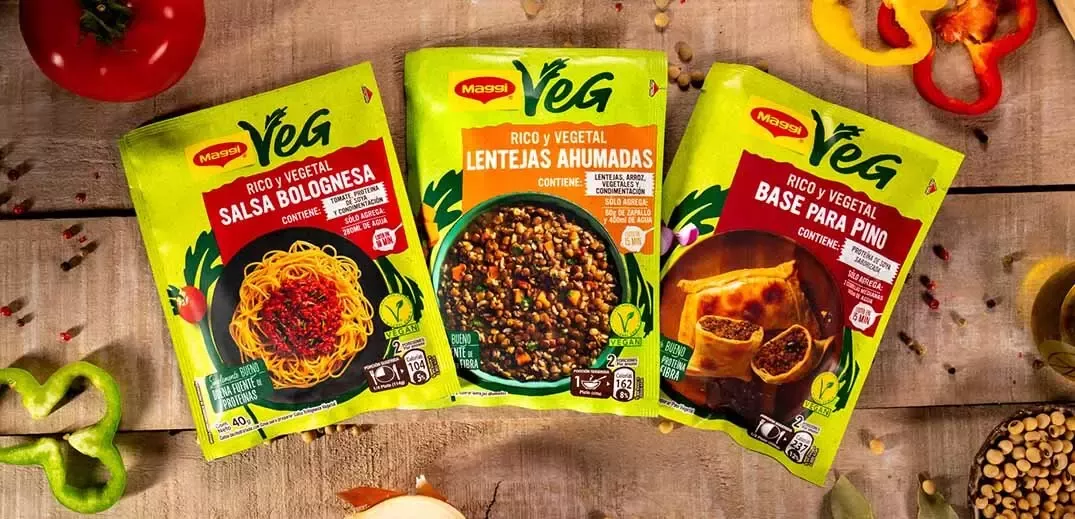
In 2019, Nestlé S.A. accelerated its expansion into the global plant-based food sector as consumer demand for meat alternatives and vegetarian products continued rising across international markets. Under the leadership of Chief Executive Officer Mark Schneider, the company increased investments in plant-based innovation, launched new vegan and vegetarian products, and expanded partnerships aimed at strengthening its position in the fast-growing alternative protein industry.
One of the company’s major launches came in September 2019 with the introduction of the Sweet Earth Awesome Burger in the United States through Nestlé-owned Sweet Earth Foods. The burger used a pea-protein-based formula designed to compete in the rapidly growing plant-based burger category alongside products from emerging alternative protein companies. Nestlé simultaneously introduced Sweet Earth Awesome Grounds, a raw plant-based ground meat substitute intended for home cooking applications.
Later in December 2019, Nestlé expanded the use of its plant-based protein products into mainstream frozen food brands. The company launched meatless versions of DiGiorno pizzas and Stouffer’s frozen meals using Sweet Earth plant-based ingredients. These launches represented an effort to integrate alternative proteins into high-volume consumer food categories rather than limiting them to niche vegetarian product lines.
In Europe, Nestlé continued expanding its Garden Gourmet brand, which served as the company’s primary plant-based platform across several European markets. The product range included vegan burgers, plant-based mince, meat-free meatballs, sausages, and prepared meal options. Nestlé also invested in research and development to improve taste, texture, and nutritional profiles for plant-based products as competition intensified globally.
Beyond internal product development, Nestlé pursued strategic collaborations and technological partnerships to strengthen capabilities in alternative proteins and food innovation. The company increased focus on research into plant-derived ingredients, protein processing technologies, and scalable production systems capable of meeting growing consumer demand.
The expansion occurred during a period when multinational food companies worldwide were increasing investments in plant-based foods amid changing dietary trends, environmental discussions, and rising interest in alternative protein sources. Nestlé positioned the plant-based category as a long-term growth segment within its broader food and nutrition business strategy.
Why This Moment Matters
Nestlé’s accelerated push into plant-based foods reflected how traditional global food manufacturers adapted to rapidly changing consumer preferences and competitive pressure from newer alternative protein brands. The company’s strategy also demonstrated how plant-based products were moving from specialty health markets into mainstream packaged food categories.
#mooflife
#MomentOfLife
#Plant-basedFood
#Nestlé
#MeatAlternatives
#SustainableEating
#FoodIndustryTrends
Primary Reference
Nestle accelerating plant-based ingredient development

Explore the Life Moments of
 AI Twin