Taiwan Health Ministry Finds Melamine in Nestlé Milk Powders
Taiwan and China
Food Safety
Health Regulations
Consumer Protection
6 min read
Updated By: History Editorial Network (HEN)
Published:
Updated:
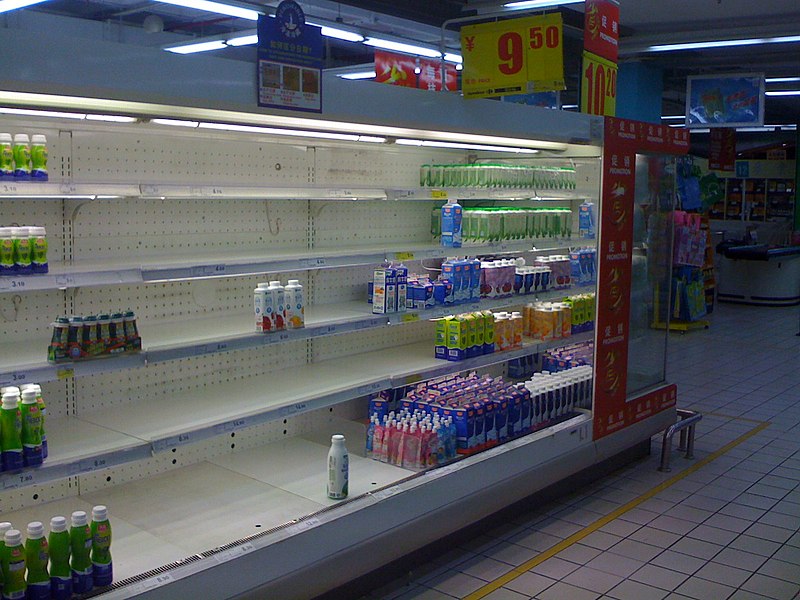
On 02/10/2008, Taiwan’s Department of Health announced the recall of several Nestlé and Klim milk powder products after tests detected traces of melamine in items manufactured in mainland China. The decision came during the wider international food safety crisis linked to melamine contamination in Chinese dairy products in 2008, which affected multiple companies and prompted recalls across Asia and other regions.
According to Taiwanese health authorities, random product safety inspections identified low levels of melamine ranging from 0.06 to 0.85 parts per million (ppm) in six milk powder products marketed under the Nestlé and Klim brands. The recalled products included milk powders intended for children as well as nutritional formulas designed for elderly consumers.
Officials stated that all affected products had been manufactured by Shuangcheng Nestlé Co. in Heilongjiang Province, northeastern China. Products imported from Europe and the Philippines were separately tested and found free from contamination, allowing those items to remain available for sale in Taiwan.
Taiwan’s Health Minister Yeh Ching-chuan publicly stated that the detected melamine levels were considered very low and were not believed to present an immediate health danger to consumers. Authorities nevertheless ordered the products removed from retail shelves as a precautionary measure intended to protect public health and maintain confidence in food safety oversight.
Melamine is an industrial chemical sometimes illegally added to food products to artificially increase measured protein levels during testing. The 2008 Chinese milk contamination crisis resulted in widespread recalls, criminal investigations, and international concern after contaminated dairy products were linked to kidney illnesses in infants and children.
Nestlé responded by cooperating with regulators and emphasizing that the affected products represented a limited portion of its broader product portfolio. The company also stated that additional testing and quality control measures were being implemented in response to the broader dairy contamination crisis affecting the Chinese supply chain.
The Taiwan recall reflected the extensive international impact of the 2008 melamine scandal, which led governments throughout Asia and beyond to tighten food import inspections and strengthen dairy product safety regulations.
Why This Moment Matters :
The 2008 recall highlighted how interconnected global food supply chains could rapidly spread safety concerns across borders. It also demonstrated the growing importance of regulatory testing, transparency, and precautionary recalls in maintaining public trust during large-scale food contamination crises.
#mooflife
#MomentOfLife
#TaiwanHealthMinistry
#Nestlé
#MelamineContamination
#FoodSafety
#PublicHealthCrisis
Primary Reference
Melamine found in Nestle milk products: minister

Explore the Life Moments of
 AI Twin