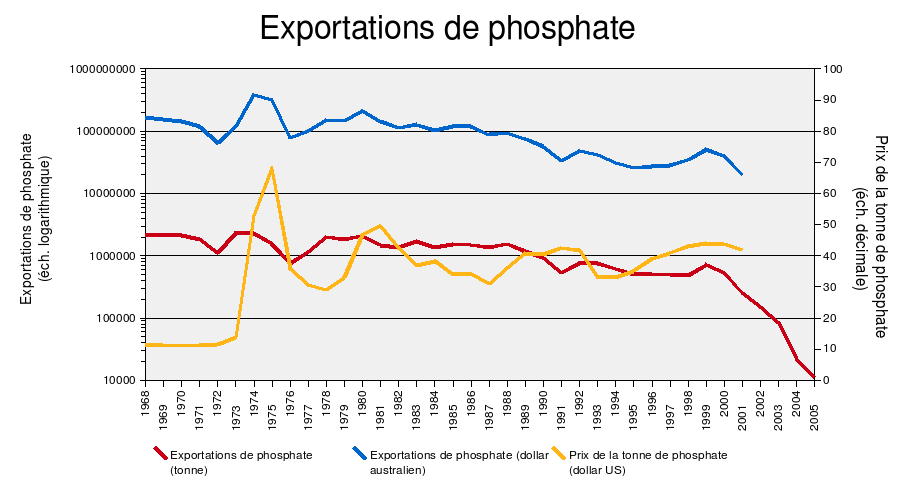
Nauruan economy reached its peak, primarily driven by the booming phosphate mining industry
Nauru
Economics
Nauru
3 min read
Updated By: History Editorial Network (HEN)
Published:
Updated:
In 1981, the Nauruan economy reached its peak, primarily driven by the booming phosphate mining industry. During the 1970s, phosphate mining accounted for a significant portion of Nauru's GDP, establishing the island nation as one of the wealthiest per capita in the world at that time. The extraction of phosphate, a key ingredient in fertilizers, was the backbone of Nauru's economic output, providing substantial revenue and employment opportunities for its citizens. However, this economic prosperity was short-lived, as mining activities began to decline in the early 1980s due to the depletion of phosphate reserves. As a result, Nauru faced challenges in diversifying its economy, leading to a heavy reliance on imported goods for most necessities. Despite these challenges, small-scale mining operations continue under RONPhos, the successor to the Nauru Phosphate Corporation. The Nauruan government has implemented measures to ensure that a portion of RONPhos's earnings is allocated to the Nauru Phosphate Royalties, which aims to provide financial support for the nation as it navigates its post-phosphate economy. The legacy of phosphate mining remains a critical chapter in Nauru's economic history, highlighting both the opportunities and vulnerabilities associated with resource-dependent economies.
#Mooflife #Moof #MomentOfLife #NauruEconomy #PhosphateMining #GdpPeak1981 #EconomicHistory #Ronphos

Explore the Life Moments of
 AI Twin